


Deciding between Botox vs fillers can feel like choosing between two magic wands. In Malaysia’s booming aesthetic scene, these injectables are the go-to for refreshing your look without surgery. While both tackle aging, they solve completely different problems. Let’s break down which one suits your 2026 glow-up goals.
Her Clinic, leading aesthetic skin clinic in Kuala Lumpur provides Botox and dermal fillers to reduce wrinkles and restore volume, offering safe, doctor-led treatments with natural results tailored to individual facial needs.
What Is Botox?
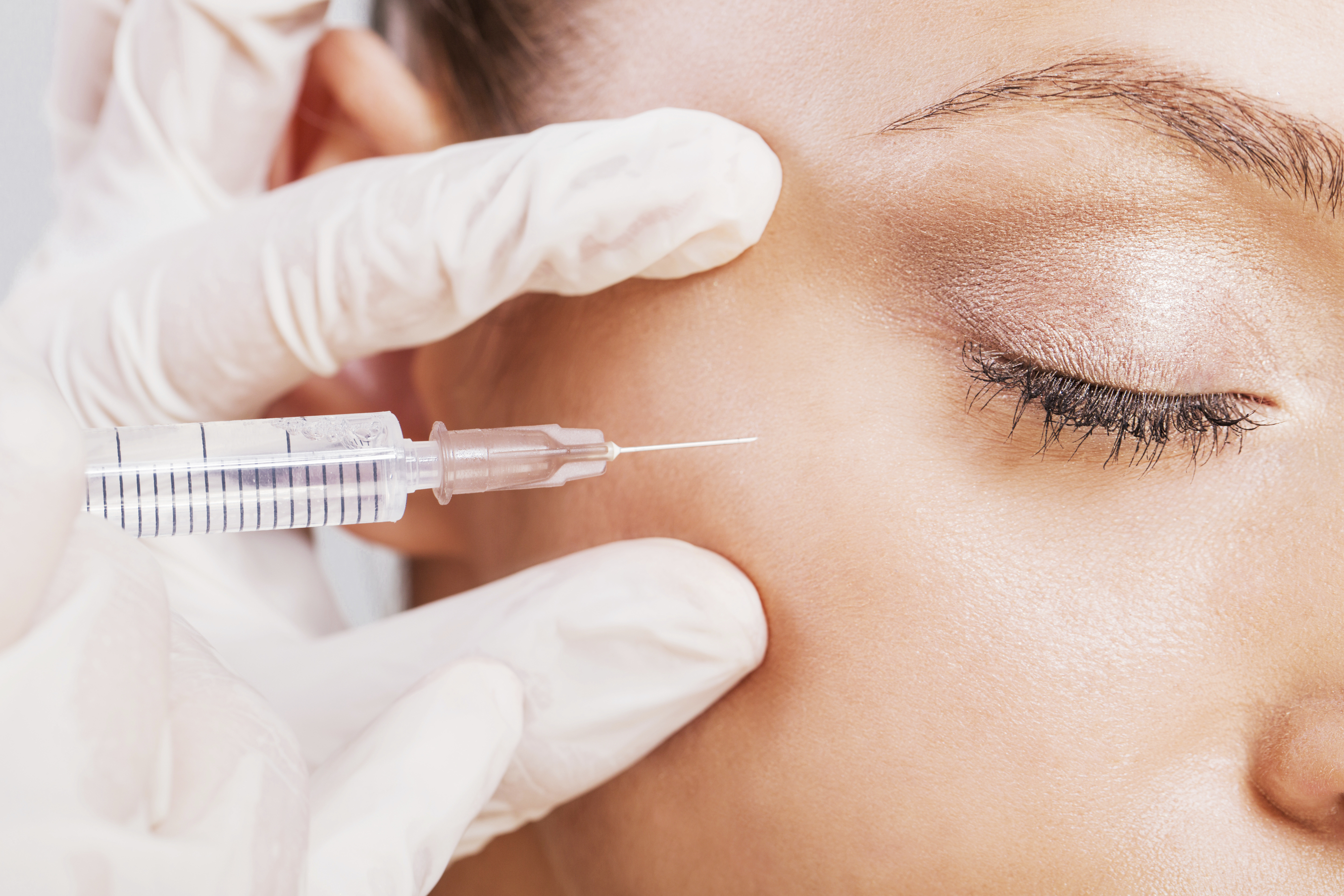
Botox is the brand name for Botulinum Toxin Type A, a purified protein used to relax muscles. In Malaysia, it is a prescription-only medicine regulated by the National Pharmaceutical Regulatory Agency (NPRA) to ensure patient safety and product authenticity during clinical administration.
How Botox Works
Botox blocks nerve signals to specific muscles, preventing them from contracting. By “freezing” these muscles temporarily, the overlying skin remains smooth instead of folding. This effectively erases dynamic wrinkles caused by repetitive facial expressions like squinting, frowning, or laughing during your daily conversations.
Common Uses of Botox
Primarily, Botox treats dynamic wrinkles such as crow’s feet, forehead lines, and “11” frown lines. Beyond aesthetics, Malaysian doctors frequently use it for jaw slimming (masseter reduction) and treating hyperhidrosis (excessive sweating) in the underarms, providing a multi-functional approach to personal grooming.
What Are Dermal Fillers?
Dermal fillers are gel-like substances injected beneath the skin to restore lost volume or enhance facial contours. Most modern fillers in Malaysia use Hyaluronic Acid (HA), a sugar molecule naturally found in your body that keeps skin hydrated, plump, and structurally sound.
How Fillers Work
Unlike Botox, fillers don’t affect muscles. Instead, they physically “fill” in hollow areas or deep folds. They act like a cushion, supporting skin structures that have thinned due to aging. This provides an immediate lifting effect and can reshape features like the chin, nose, or lips.
Common Uses of Fillers
Fillers are the gold standard for adding facial volume to hollow temples or sunken cheeks. They effectively smooth out static wrinkles, such as nasolabial folds (smile lines). Many patients also seek fillers for lip augmentation or “liquid rhinoplasty” to refine the nose bridge without invasive surgery.
Botox vs Fillers: Key Differences
While both are injectables, they are not interchangeable. Botox is for “movement” issues, while fillers are for “volume” issues. Understanding this distinction is the first step toward achieving a balanced, natural-looking result that preserves your unique facial identity and expressions.
Mechanism of Action
Botox is a neuromodulator that relaxes muscle activity to prevent skin creasing. Dermal fillers are volumizers that add substance to the dermal layers. One stops the cause of wrinkles (muscle contraction), while the other treats the effect of aging (volume loss and skin sagging).
Treatment Areas
Botox excels in the upper face, specifically the forehead and around the eyes. Fillers are typically preferred for the mid-to-lower face, including the cheeks, lips, and jawline. However, advanced techniques now allow for “micro-botox” on the lower face to refine skin texture and pore size.
Results and Effectiveness
Botox results are gradual, appearing as a “softening” of lines over several days. Fillers offer instant gratification, with visible changes immediately after the injection. Both are highly effective, but fillers are better for deep-set “static” lines that remain visible even when your face is totally at rest.
Duration of Results
Botox is a shorter-term commitment, typically lasting 3 to 4 months as the body metabolizes the toxin. Dermal fillers are more durable; depending on the brand and injection site, HA fillers can last anywhere from 6 to 18 months before a touch-up is required.
Cost Comparison in Malaysia
In 2026, Botox is usually priced per unit (RM30–RM50) or per area (RM800+). Dermal fillers are priced per syringe (RM1,200–RM3,500). While fillers have a higher upfront cost, their longer duration often makes the annual maintenance expense comparable to frequent Botox sessions.
| Feature | Botox (Neuromodulator) | Dermal Fillers (Volumizer) |
| Primary Goal | Smooth dynamic wrinkles | Restore volume & contour |
| Onset | 3–7 days | Immediate |
| Longevity | 3–4 months | 6–18 months |
| Average Cost (MYR) | RM800 – RM2,000+ | RM1,200 – RM3,500+ |
Botox vs Fillers: Which Is Better for You?
The “better” option depends entirely on your specific facial anatomy and aging concerns. A consultation with an LCP-certified aesthetic physician is essential. They will assess whether your wrinkles are caused by overactive muscles or a lack of structural support in your skin.
Best for Wrinkles vs Volume Loss
Choose Botox if your main concern is lines that appear when you move your face. If you notice hollowness, sagging, or deep folds that stay put even when you aren’t smiling, fillers are the superior choice. Most aging faces actually experience a combination of both.
When to Choose Botox
Opt for Botox if you want to prevent permanent lines from etching into your skin. It is ideal for younger patients (preventative Botox) or those looking to slim their jawline. It’s also the best fix for a “gummy smile” by relaxing the upper lip muscles.
When to Choose Fillers
Select fillers if you want to “lift” your face or enhance specific features like the chin or lips. They are perfect for correcting “tear troughs” (dark under-eye hollows) that make you look tired. Fillers provide the structural scaffolding that aging skin eventually loses over time.
Combining Botox and Fillers
For a total “liquid facelift,” doctors often combine both. Botox relaxes the upper face while fillers restore the mid-face. This synergistic approach ensures a harmonious result. Using them together can even extend the life of your filler by reducing muscle movement in the treated area.
Botox vs Fillers Results
Managing expectations is key to a happy outcome. While both treatments are minimally invasive, they follow different timelines for “settling” into the skin. Patients should plan their appointments at least two weeks before major events like weddings or corporate functions to allow for full healing.
Botox Results Timeline
You won’t see a change the moment you leave the clinic. Initial softening begins around day 3, with the full “frozen” or relaxed effect peaking at 14 days. Most Malaysian clinics offer a complimentary touch-up at the two-week mark to ensure perfect symmetry and dosing.
Filler Results Timeline
Fillers provide an immediate change in volume. However, because HA fillers attract water, the “final” look settles after about one week once initial swelling subsides. Your body integrates the gel during this period, making the treated area feel softer and more natural to the touch.
Expected Outcomes
Expect a refreshed, well-rested version of yourself. Botox should not leave you expressionless if done correctly; it should simply soften harsh lines. Fillers should enhance your natural contours without looking “overfilled” or puffy. The goal is to look like you’ve had a very long nap.
Botox vs Fillers Safety and Side Effects
Both treatments are considered safe when performed by medical professionals. In Malaysia, the Medical Device Authority (MDA) strictly regulates the devices and substances used. Always verify that your clinic uses authentic, registered products rather than “parralel-imported” or counterfeit versions found in salons.
Botox Side Effects
Common side effects include minor bruising or redness at the injection site. Rarely, patients may experience a temporary headache or “heavy” eyelid (ptosis) if the toxin migrates. These effects are transient and typically resolve within a few weeks as the product settles into the muscle.
Filler Side Effects
Swelling and bruising are common, especially in vascular areas like the lips. More serious but rare risks include lumps (granulomas) or vascular occlusion, where filler blocks a blood vessel. Fortunately, HA fillers can be dissolved instantly with an enzyme called hyaluronidase if complications arise.
Safety Considerations in Malaysia
Ensure your practitioner holds a Letter of Credentialing and Privileging (LCP) from the Ministry of Health. Under the Medical Device Order 2026, stricter oversight ensures only qualified doctors operate aesthetic equipment. Avoid beauty salons offering these “medical” injections, as they lack the emergency training required.
How Long Do Botox and Fillers Last?
Longevity varies based on your metabolism, lifestyle, and the specific product used. For example, smokers or very active individuals may find their bodies break down injectables faster. Consistent maintenance is the secret to sustaining a youthful appearance without drastic fluctuations in your look.
Botox Longevity
Typically, Botox lasts 3 to 4 months. By month five, muscle movement usually returns to 100%. Regular users often find that their results last longer over time because the muscles “learn” to stay relaxed, requiring fewer units during subsequent maintenance visits every few months.
Filler Longevity
Fillers are the marathon runners of aesthetics. Lip fillers usually last 6 to 9 months due to high lip movement. Cheek or chin fillers can last 12 to 18 months. Bio-stimulating fillers like Radiesse or Sculptra can even last up to two years by triggering your own collagen.
Botox vs Fillers FAQs
Which lasts longer: Botox or fillers?
Dermal fillers generally last significantly longer than Botox. While Botox requires a refresh every 3–4 months, most fillers maintain their results for 6–12 months or longer. This makes fillers a more durable solution for structural changes, whereas Botox is a frequent “tweakment” for fine lines.
Are Botox and fillers safe?
Yes, both are FDA-approved and MDA-registered in Malaysia. They have been used globally for decades with high safety profiles. The risk lies primarily in the injector’s skill, not the product itself. Always choose a licensed medical clinic over a non-medical spa or beauty salon.
Can Botox and fillers be combined?
Absolutely! Most “full-face rejuvenation” plans use both. Combining them treats the face as a whole—addressing both the wrinkles on the surface and the volume loss underneath. This “liquid facelift” provides more comprehensive, natural-looking results than using either treatment in isolation.
Which is more expensive in Malaysia?
Fillers have a higher per-session cost (starting around RM1,200) compared to a single Botox area (starting around RM800). However, because fillers last twice as long, the annual cost often balances out. Many clinics offer package deals for multiple syringes or combined treatments to improve affordability.
Which looks more natural?
Both can look incredibly natural or very obvious depending on the injector’s technique. In 2026, the trend in Malaysia is “Micro-treatments”—using smaller amounts of product to enhance features subtly. A skilled doctor ensures you still look like yourself, just a more vibrant version.
