


When deciding on the best skin treatment, Fractional CO2 Laser vs Halo Laser is a common question in Malaysia. Both lasers offer unique benefits for skin rejuvenation, scar reduction, and pigmentation. This guide compares their technology, results, downtime, and suitability to help you choose the right option.
What is Fractional CO2 Laser?
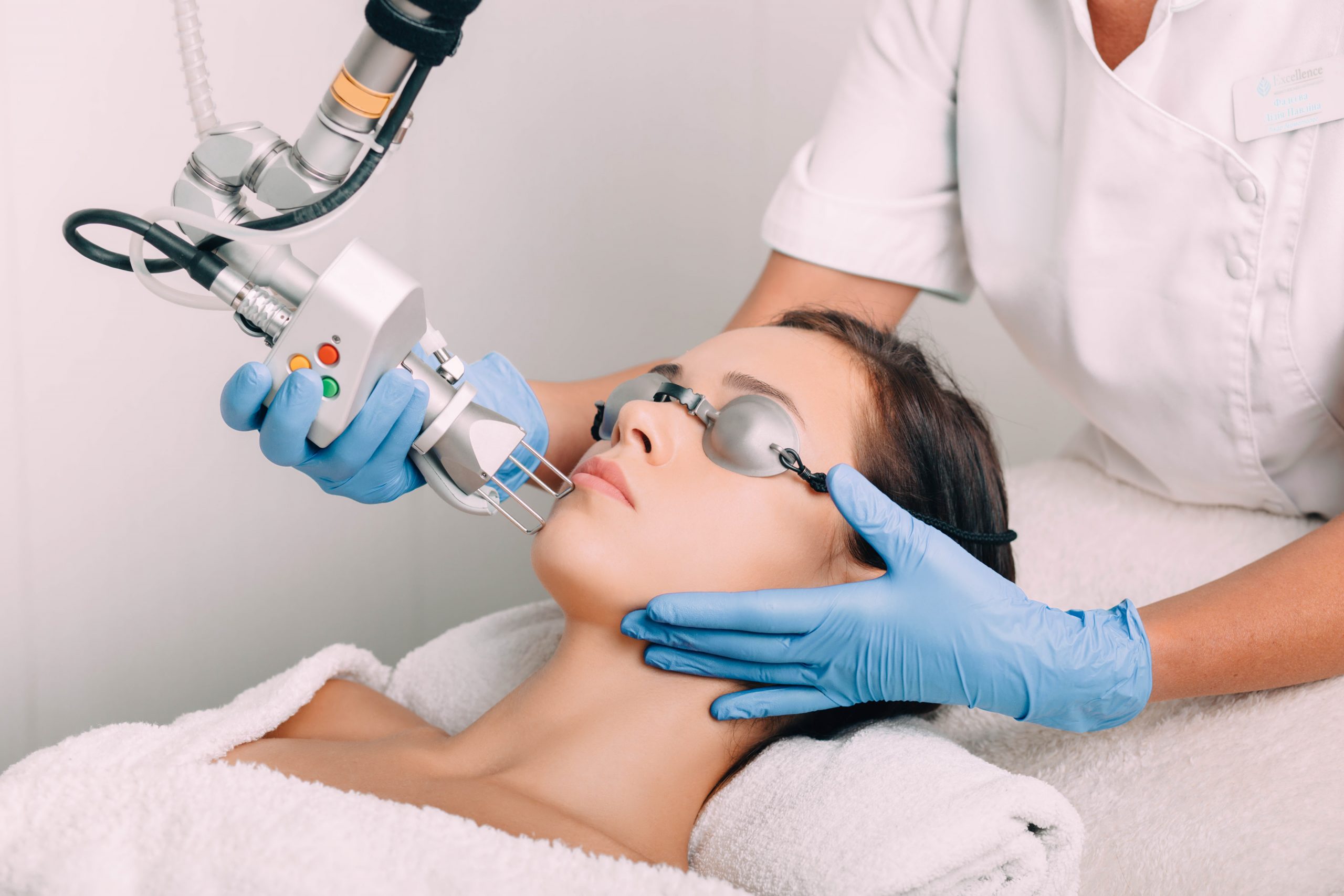
The Fractional CO2 laser is a powerful ablative treatment that uses carbon dioxide to remove thin layers of skin. It creates microscopic thermal columns to trigger deep collagen remodeling. This gold-standard technology is highly effective for resurfacing, especially when dealing with deep structural damage and significant texture irregularities.
What is Halo Laser?
Halo is the world’s first Hybrid Fractional Laser (HFL). It simultaneously delivers ablative and non-ablative wavelengths (1470nm and 2940nm) to the same microscopic treatment zone. This dual-action approach targets the epidermis for glow and the dermis for deeper pigment, offering visible results without the heavy recovery of traditional lasers.
Key Differences Between Fractional CO2 and Halo Laser
Choosing between these technologies depends on your tolerance for downtime and the severity of your skin issues. While both aim for rejuvenation, their mechanisms of action differ significantly in how they interact with skin tissue and water molecules.
Technology and Wavelength Differences
Fractional CO2 uses a 10,600nm wavelength, which is highly absorbed by water, causing controlled vaporization of tissue. Halo, however, utilizes hybrid fractional technology, combining a 2940nm Er:YAG laser with a 1470nm diode laser. This allows for more precise targeting of both superficial and deep skin layers simultaneously.
Treatment Depth and Skin Penetration
CO2 lasers typically penetrate deeper into the dermis, making them more aggressive. They are designed for intense remodeling. Halo offers “tunable” depth; it can reach deep enough to clear pigment while the ablative component polishes the surface. This makes Halo more versatile for mild to moderate skin correction.
Recovery Time and Downtime
Recovery from Fractional CO2 usually takes 7 to 10 days, involving significant redness and peeling. In contrast, Halo’s downtime is much shorter, typically 3 to 5 days. Many patients experience the “MENDS” (microscopic epidermal necrotic debris) effect, which looks like fine bronze dust rather than raw, weeping skin.
Suitable Skin Types and Concerns
Fractional CO2 is ideal for fair to medium skin tones (Fitzpatrick I-III) with severe scarring. Halo is generally considered safer for a broader range of skin types. According to clinical dermatology standards, darker skin tones require lower densities and cautious settings to avoid post-inflammatory hyperpigmentation (PIH).
Benefits of Fractional CO2 Laser
This laser remains a powerhouse in medical aesthetics. Its ability to completely “reset” the skin surface makes it a top choice for patients who want dramatic results in fewer sessions, provided they can manage the recovery period.
Improves Skin Texture and Scars
For boxcar or icepick acne scars, Fractional CO2 is remarkably effective. It breaks down fibrous scar tissue and stimulates neocollagenesis, which fills in depressions from within. Clinical studies show significant improvement in skin smoothness after just one or two aggressive treatments.
Reduces Fine Lines and Wrinkles
By heating the deeper dermal layers, CO2 lasers cause immediate collagen contraction. This results in tighter, firmer skin and a visible reduction in static wrinkles. It is particularly effective for “smoker’s lines” around the mouth and crow’s feet that don’t fully respond to neurotoxins alone.
Treats Deep Skin Imperfections
Beyond surface issues, CO2 targets severe sun damage and actinic keratosis. It is a “one-and-done” solution for many, addressing multiple layers of aging in a single session. For patients with significant skin laxity, the thermal energy provides a non-surgical lifting effect.
Benefits of Halo Laser
Halo represents the next generation of laser resurfacing. Its primary appeal lies in its ability to deliver “the Halo Glow” with a much more comfortable patient experience and faster return to social activities.
Combines Ablative and Non-Ablative Technology
The genius of Halo is its synergy. The ablative laser smooths the surface, while the non-ablative laser targets deep pigmentation. This dual-wavelength approach ensures that both the “seeds” of pigment and the “texture” of the skin are treated in every single pulse.
Reduces Pigmentation and Sun Damage
Halo is exceptionally good at clearing “mottled” pigmentation and sunspots. It targets the dermal pigment that many other lasers miss. This results in a more uniform skin tone and the removal of years of sun-induced damage, giving the skin a bright, youthful, and luminous appearance.
Minimal Downtime with Effective Results
Patients love Halo because they can apply makeup just 24 hours after treatment. It offers the results of an ablative laser with the healing profile of a non-ablative one. It’s perfect for the modern professional in Malaysia who cannot afford two weeks of seclusion.
Which Laser is Right for You?
The decision boils down to your skin’s current state and your lifestyle. A consultation with an experienced aesthetic physician is necessary to map out a treatment plan that aligns with your specific biological needs and expectations.
Skin Concerns and Treatment Goals
If you have deep acne scars or very loose skin, Fractional CO2 is likely your best bet. However, if your primary concerns are “pore-size,” dullness, and sunspots, Halo will provide the results you want with less hassle. Always prioritize the goal of the treatment over the popular name.
Age and Skin Type Considerations
Older skin with significant elastosis usually requires the power of CO2. Younger patients or those with darker skin tones (common in Malaysia) often find Halo to be a safer, more manageable option. Proper pre-conditioning of the skin with tyrosinase inhibitors is vital for darker Fitzpatrick types before any laser work.
Consultation with Dermatologists or Clinics in Malaysia
In Malaysia, clinics must be LCP (Letter of Credentialing and Privileging) certified to perform these procedures. During your visit, ensure the doctor assesses your skin’s moisture levels and history of cold sores, as lasers can trigger outbreaks. A professional will always prioritize your skin safety first.
Fractional CO2 vs. Halo Laser in Malaysia
Malaysia’s aesthetic market is highly advanced, offering both platforms in major cities like Kuala Lumpur, PJ, and Penang. The choice often depends on the specific machines available at reputable medical aesthetic centers.
Popular Clinics Offering Both Treatments
Many top-tier clinics in the Klang Valley, such as those in Bangsar or Mont Kiara, offer Fractional CO2 (often using Lutronic or DEKA brands) and Sciton Halo. Look for clinics that provide comprehensive post-laser care kits to ensure your skin heals perfectly in our humid climate.
Treatment Costs in Malaysia
Prices vary based on the area treated:
Fractional CO2: RM800 – RM1,800 per session.
Halo Laser: RM2,500 – RM4,500 per session.
While Halo is more expensive, its advanced technology and reduced downtime often justify the premium for busy individuals.
How to Book a Consultation
Most clinics accept bookings via WhatsApp or official websites. It is recommended to book a “Skin Analysis” first. This often involves a VISIA imaging system to see the damage beneath the surface before deciding which laser will offer the best return on your investment.
Frequently Asked Questions
Is the Treatment Painful?
Fractional CO2 is generally more uncomfortable, requiring strong numbing cream and sometimes local anesthesia. Halo is better tolerated; patients often describe a warm, prickly sensation. Most clinics use integrated cooling fans (like a Zimmer chiller) to keep the skin comfortable during the procedure.
How Many Sessions are Needed?
For Fractional CO2, 1 to 3 sessions are usually sufficient for dramatic change. Halo typically requires 1 to 2 sessions for a significant “glow,” with many patients opting for an annual maintenance session to keep their skin looking its best and prevent new pigment from surfacing.
What Are the Side Effects of Each Laser?
Common side effects include redness, swelling, and itching. CO2 carries a higher risk of prolonged redness or PIH if sun protection is ignored. Halo side effects are milder, mostly involving “bronzing” of the skin and temporary dryness as the old skin cells are pushed to the surface.
How Long Before Results Are Visible?
You will see initial healing within a week, but the real magic happens at the 3-month mark. Collagen synthesis takes time. Your skin will continue to improve in texture and tone for several months as the deeper layers of the dermis undergo a complete structural remodel.
