

Fungal acne is not true acne but an infection of hair follicles caused by Malassezia yeast. It looks like small, itchy, uniform bumps on the chest, back, or forehead. Antifungal treatments clear it, not acne products. Hot, humid climates like Malaysia increase risk.
What Is Fungal Acne?
Fungal acne is the common name for Malassezia folliculitis. It’s not acne at all. Real acne is caused by bacteria, clogged pores, and inflammation. Fungal acne is an infection and inflammation of your hair follicles caused by an overgrowth of Malassezia yeast. This yeast normally lives on everyone’s skin and feeds on oil. When it multiplies too much, it gets into hair follicles and triggers itchy, pimple-like bumps. Dermatologists see it often in Malaysia because the hot, humid weather helps yeast thrive. Using regular acne treatments can make it worse, so identifying it correctly matters.
Fungal Acne Symptoms
Small Uniform Bumps
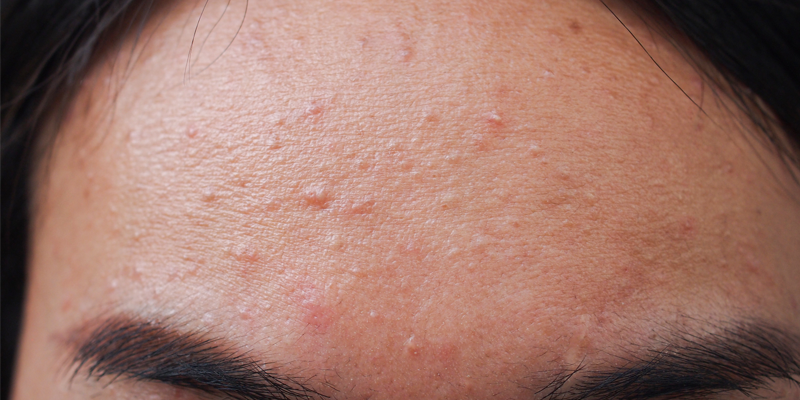
Fungal acne shows up as clusters of tiny red or skin-colored papules and pustules. Unlike regular acne, the bumps are almost all the same size and shape, around 1–2mm. You won’t see blackheads or large cysts.
Itchy Pimples
Itch is the biggest clue. Fungal acne often itches or burns, especially after sweating. Bacterial acne usually doesn’t itch unless it’s inflamed. If your “pimples” get itchier at the gym or in hot weather, suspect fungus.
Redness and Inflammation
The area looks red and irritated. Each bump may have a tiny whitehead, but they don’t pop easily. Squeezing makes redness worse and doesn’t release much.
Common Areas Affected
Malassezia loves oily areas with hair follicles. Most cases appear on the forehead, hairline, upper chest, shoulders, and back. It can also show up on the upper arms and neck. It rarely affects the lower face where traditional acne lives.
Fungal Acne vs Acne: What’s the Difference?
Feature | Fungal Acne | Bacterial Acne |
|---|---|---|
Cause | Yeast overgrowth in follicles | C. acnes bacteria + clogged pores |
Bump type | Uniform, small, 1–2mm papules | Mix: blackheads, whiteheads, cysts |
Itch | Often itchy, especially when sweaty | Rarely itchy |
Location | Forehead, chest, back, shoulders | Face, especially T-zone and jaw |
Response to antibiotics | Worsens or no change | Usually improves |
Response to antifungals | Clears quickly | No effect |
If antibiotics or benzoyl peroxide made your breakouts worse, it’s likely fungal.
What Causes Fungal Acne?
Malassezia Yeast Overgrowth
Everyone has Malassezia on their skin. It feeds on sebum. When conditions are right, it multiplies and invades follicles, causing inflammation.
Hot and Humid Weather
Malaysia’s climate is perfect for yeast. Heat and humidity increase sweat and oil, creating a warm, moist environment where Malassezia grows fast. That’s why cases spike during hot months.
Excess Sweat and Sebum
Working out, wearing tight synthetic clothes, or not showering after sweating traps moisture and oil on skin. Yeast thrives in that. Oily skin types are more prone.
Antibiotic Use
Oral or topical antibiotics kill bacteria, including good skin bacteria that keep yeast in check. With less competition, Malassezia takes over. This is why acne can “turn into” fungal acne after long antibiotic courses.
Occlusive Skincare Products
Heavy creams, oils, and balms trap moisture and feed yeast. Ingredients like fatty acids, esters, and polysorbates can fuel Malassezia. Layering too many products in humid weather is a trigger.
Weakened Immune System
Stress, diabetes, steroid use, or illness can lower your immune defense, letting yeast overgrow. People on immunosuppressants are at higher risk.
Who Is at Risk of Fungal Acne?
Teenagers and young adults with oily skin are most common. Athletes, gym-goers, and anyone who sweats a lot are at risk. People living in hot, humid countries like Malaysia see it more. If you’re on antibiotics for acne, have used lots of coconut oil on skin, wear non-breathable workout gear, or have a compromised immune system, your risk goes up. Men get it more on the chest and back. Women see it along the hairline and forehead from sweat and hair products.
How Is Fungal Acne Diagnosed?
A dermatologist can often tell by looking at the pattern, size, and location of bumps and by your history. If it’s unclear, they may do:
- Wood’s lamp exam: Malassezia may fluoresce under UV light.
- KOH test: Scrapings from a bump are checked under a microscope for yeast.
- Skin biopsy: Rare, but confirms yeast in follicles.
The fastest test is treatment: if antifungal wash clears it in 2–3 weeks, it was fungal acne.
Fungal Acne Treatment Options
Topical Antifungal Medications
Prescription creams with ketoconazole, econazole, or clotrimazole kill yeast on the skin. Apply once or twice daily to affected areas for 2–4 weeks. Over-the-counter options are weaker but can help mild cases.
Oral Antifungal Medications
For widespread or stubborn cases, doctors prescribe oral itraconazole or fluconazole for 1–4 weeks. These work from inside out and are very effective. Liver function may be checked if used long-term.
Antifungal Cleansers and Shampoos
Ketoconazole 2% shampoo, selenium sulfide, or zinc pyrithione shampoo can be used as a body wash. Lather on chest, back, or forehead, leave for 5 minutes, then rinse. Use daily for 2 weeks, then 2–3 times weekly for maintenance. This is often the first step doctors recommend in Malaysia.
Skincare Routine Changes
Stop feeding the yeast. Switch to “Malassezia-safe” products: no oils, esters, or fatty acids. Use lightweight, oil-free moisturizers with glycerin or hyaluronic acid. Avoid occlusive balms. Benzoyl peroxide and salicylic acid don’t kill yeast but can help reduce oil and secondary bacteria. Keep routine simple: antifungal cleanser, safe moisturizer, sunscreen.
How to Prevent Fungal Acne
- Shower after sweating: Don’t sit in sweaty gym clothes. Rinse off immediately.
- Wear breathable fabrics: Cotton and moisture-wicking materials reduce trapped sweat.
- Use antifungal shampoo weekly: If you’re prone, wash body with ketoconazole shampoo once a week as prevention.
- Simplify skincare: Avoid heavy oils, coconut oil, and layered creams in humid weather.
- Don’t overuse antibiotics: Only take them if needed, and ask your doctor about yeast risk.
- Wash hair regularly: Oily scalp yeast can spread to forehead and back.
- Change pillowcases often: Yeast can live on fabric.
When Should You See a Doctor?
See a dermatologist if bumps are itchy, uniform, and haven’t responded to acne treatments after 4–6 weeks. Go sooner if it’s spreading, very inflamed, or you’ve used antibiotics recently. A doctor can confirm it and give oral meds if needed. Self-treating for months can lead to scarring or post-inflammatory hyperpigmentation.
Bottom Line
Fungal acne isn’t true acne. It’s a yeast infection of hair follicles that loves hot, humid, sweaty skin. The bumps are small, itchy, and uniform, usually on the forehead, chest, or back. Antibiotics and regular acne creams don’t work and can make it worse. Antifungal washes, creams, or pills clear it, often within 2–4 weeks. Prevention means staying dry, using breathable clothes, and keeping skincare Malassezia-safe. If you’re in Malaysia and your “acne” flares after sweating or antibiotics, ask a doctor about fungal acne.
Frequently Asked Questions
Is fungal acne contagious?
No. Malassezia yeast already lives on everyone’s skin. Fungal acne happens when your own yeast overgrows, not because you caught it from someone. You can’t spread it by touching or sharing towels.
Can fungal acne go away on its own?
Mild cases may improve if you reduce sweat, humidity, and occlusive products. But most cases need antifungal treatment to clear fully. Without treatment, it often lingers for months or keeps coming back.
What ingredients should I avoid if I have fungal acne?
Avoid oils and esters that feed Malassezia: coconut oil, olive oil, lauric acid, palmitic acid, stearic acid, isopropyl myristate, polysorbates, and some silicones. Check products on sezia.co or folliculitisscout for safety.
How long does fungal acne take to clear?
With proper antifungal treatment, itchiness improves in 3–5 days. Visible bumps reduce in 2–3 weeks. Full clearance usually takes 4–6 weeks. Severe cases needing oral meds may take 8 weeks.
Can salicylic acid treat fungal acne?
Salicylic acid doesn’t kill yeast. It can help by exfoliating and reducing oil, which makes the environment less friendly for Malassezia. But you still need an antifungal as the main treatment. Use it as a support, not a cure.
Can fungal acne come back?
Yes. If triggers return — hot weather, sweat, antibiotics, occlusive skincare — Malassezia can overgrow again. Many people do weekly antifungal washes for maintenance, especially in Malaysia’s climate.
