
Living in Malaysia means dealing with constant heat and humidity, which is basically a playground for skin congestion. If you feel like your skin is constantly “congested,” you aren’t alone. Let’s dive into how to handle clogged pores specifically for our local climate.
At Her Clinic, trusted aesthetic clinic in Malaysia our LCP-certified doctors specialize in clearing clogged pores using advanced medical facials and Pico Laser treatments, effectively restoring skin clarity for our humid tropical climate.
What Are Clogged Pores?
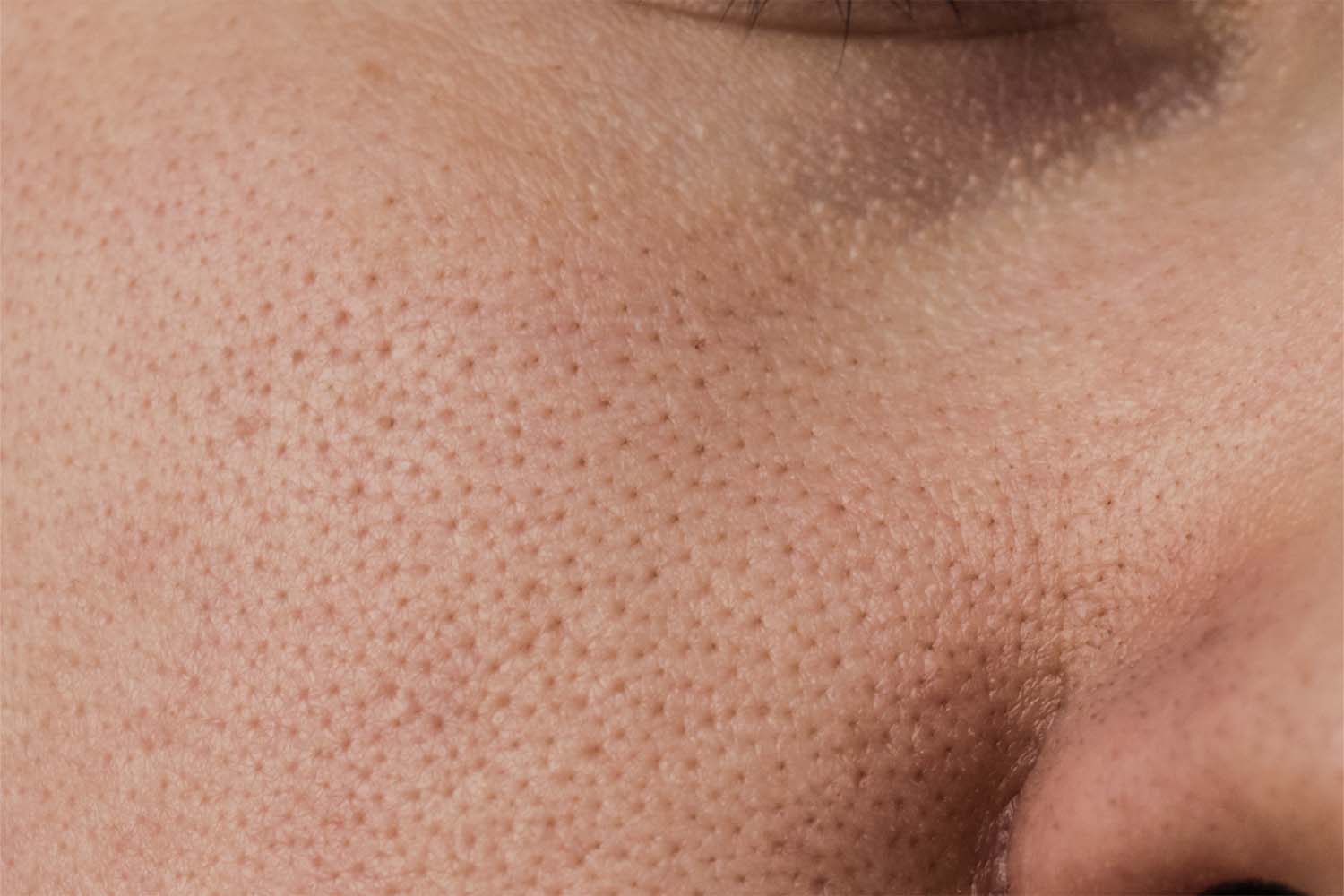
Definition of Clogged Pores
Essentially, a clogged pore is a tiny opening in your skin (a hair follicle) that has become obstructed. Think of your pores as small “pipes” that allow oil (sebum) to reach the surface. When the pipe gets blocked, you get bumps, texture, and breakouts.
How Pores Become Blocked
It’s a bit of a sticky situation. When your natural oils mix with dead skin cells, they form a “plug.” If that plug stays under the skin, it’s a whitehead; if it hits the air and oxidizes, it becomes a blackhead.
Common Causes of Clogged Pores in Malaysia
Excess Sebum & Oily Skin
Our tropical climate often triggers our sebaceous glands to go into overdrive. More oil usually means a higher chance of that oil getting stuck.
Dead Skin Cell Buildup
Your skin naturally sheds cells, but sometimes they don’t fall off properly. According to the American Academy of Dermatology, this buildup is a primary trigger for acne and congestion.
Makeup & Skincare Product Residue
Using heavy foundations or “slugging” with thick balms in our 32°C weather can trap sweat and bacteria, leading to instant congestion.
Air Pollution & Humid Climate Factors
In cities like KL or Penang, microscopic soot and air pollution particles can settle into your pores, causing oxidative stress and inflammation.
Hormonal Changes & Lifestyle
Stress, diet, and hormonal cycles can all thicken your sebum, making it harder for your pores to clear themselves naturally.
Signs & Symptoms of Clogged Pores

Blackheads & Whiteheads
These are the most common signs of clogged pores. Blackheads (open comedones) look like tiny black dots, while whiteheads (closed comedones) look like small flesh-colored bumps.
Enlarged Pores Appearance
When a pore is constantly filled with gunk, the walls stretch out, making the pore look much larger than it actually is.
Rough Skin Texture
If you run your hand over your face and it feels like sandpaper or “bumpy” rather than smooth, you’re likely dealing with deep-seated congestion.
Acne-Prone & Congested Skin
Left untreated, a simple clog can invite bacteria (C. acnes), leading to painful, red inflammatory acne.
Skin Types Most Affected by Clogged Pores
Oily & Combination Skin
The “T-Zone” (forehead, nose, and chin) is the most common area for congestion due to the high density of oil glands.
Acne-Prone Skin
Some people have a genetic predisposition where their skin doesn’t shed cells correctly—a process called retention hyperkeratosis—leading to chronic clogs.
Sensitive Skin with Congestion
Yes, even dry or sensitive skin can get clogged! Often, this happens when the skin barrier is damaged, and users apply heavy creams to “fix” the dryness, accidentally blocking the pores.
How to Prevent Clogged Pores
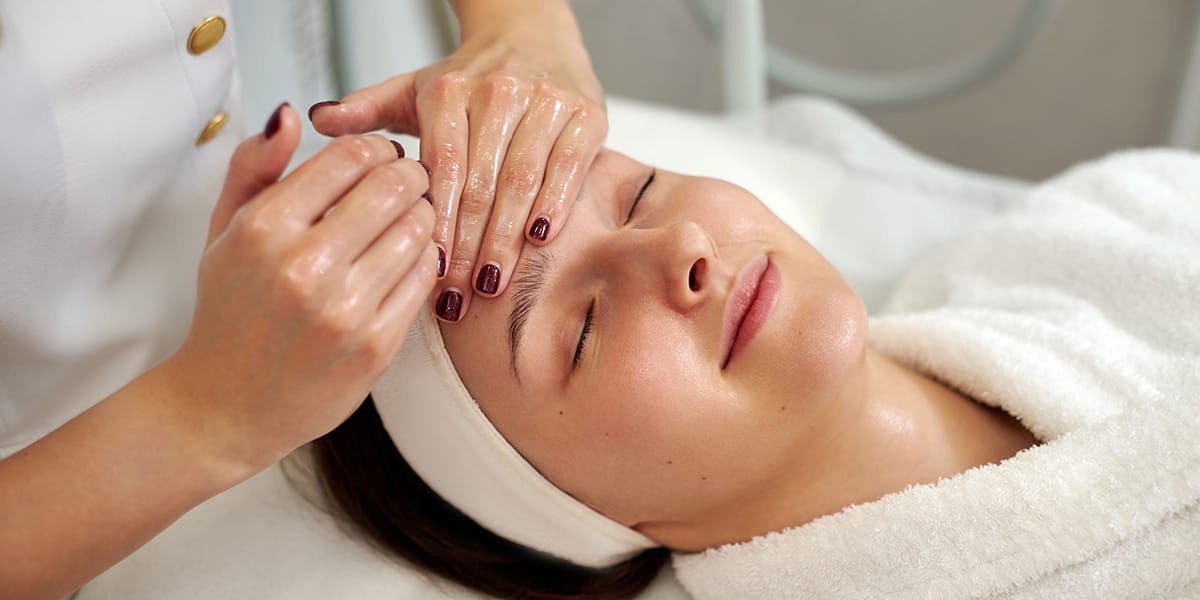
Proper Cleansing Routine
Double cleansing (using an oil cleanser followed by a water-based one) is a game-changer for removing water-resistant sunscreen and sweat.
Regular Exfoliation (AHA, BHA, Enzymes)
Using a salicylic acid (BHA) treatment is ideal for Malaysia because BHA is oil-soluble, meaning it can actually get inside the pore to dissolve the “glue.”
Non-Comedogenic Skincare & Makeup
Always look for the label “non-comedogenic,” which means the product has been formulated specifically not to block pores.
Sun Protection Without Pore Blockage
Don’t skip SPF! Modern sunscreens use “dry-touch” technologies that protect you from the Malaysian sun without feeling greasy.
Professional Treatments for Clogged Pores in Malaysia
Deep Cleansing Facial
A staple in Malaysian spas, these involve steaming the skin to soften the sebum before manual removal.
Chemical Peels
Professional-grade peels use high concentrations of acids to melt away the top layer of dead skin, revealing the clear skin underneath.
Hydrafacial & Aqua Peel Treatments
These use a vacuum-like tip to “vortex-extract” impurities while simultaneously infusing the skin with hydrating serums.
Laser & Energy-Based Skin Treatments
Lasers like the Q-Switched or Pico Laser treatment can help reduce oil production and shrink the appearance of pores by stimulating collagen.
Medical-Grade Extractions
In a clinical setting, experts use sterile tools to remove deep “milia” or stubborn comedones that at-home products can’t touch.
At-Home Skincare for Clogged Pores
Best Cleansers for Congested Skin
Look for gel or foam cleansers that contain zinc or tea tree oil to manage sebum without stripping the skin.
Exfoliating Toners & Serums
Applying a leave-on exfoliant 2–3 times a week keeps the “pore pipes” clear around the clock.
Clay Masks & Charcoal Masks
Think of these as magnets for oil. Using a Kaolin clay mask once a week helps “vacuum” out the excess grease.
Ingredients to Look For
Salicylic Acid: Dissolves deep oil.
Retinoids: Increases cell turnover.
Niacinamide: Regulates oil production and calms redness.
Myths & Misconceptions About Clogged Pores
Do Pores Open and Close?
Actually, no. Pores aren’t like doors; they don’t have muscles. Steam only softens the debris inside; it doesn’t “open” the pore itself.
Is Over-Exfoliation Helpful?
More is not better! Scrubbing your face raw can cause irritant contact dermatitis, which actually makes inflammation and congestion worse.
When to See a Skin Specialist in Malaysia
Persistent Clogged Pores & Acne
If you’ve tried drugstore products for over 6 weeks with no change, it’s time to see a professional.
Professional Skin Analysis & Treatment Planning
A dermatologist can use UV cameras to see exactly where your congestion is deepest and create a custom plan.
Frequently Asked Questions About Clogged Pores
Can Clogged Pores Cause Acne?
Absolutely. Most acne starts as a micro-comedone (a tiny, invisible clog).
How Long Does It Take to Clear Clogged Pores?
Skin cells take about 28 days to renew, so expect to see real results after one month of a consistent routine.
Are Professional Treatments Safe for Sensitive Skin?
Yes, as long as the treatment is customized. Modern “Aqua Peels” are generally very gentle on sensitive types.
Why Choose Professional Clogged Pores Treatment in Malaysia
Advanced Technology & Medical Expertise
Local clinics in Malaysia utilize the latest Korean and US-certified technologies specifically calibrated for Asian skin tones.
Customized Skincare Solutions for Malaysian Skin Types
Professional treatments take our humidity into account, ensuring your skin stays matte and clear without feeling dehydrated.
