


Pico Laser for Pigmentation & Melasma
If you’ve spent any time looking in the mirror lately and wishing those dark spots or stubborn melasma patches would just go away, you’ve probably heard of the Pico laser treatment. It’s currently the “it” treatment in the skincare world for achieving that elusive “glass skin.”
But for those of us with Asian skin, the stakes are a little higher. Our skin has more melanin, which makes us more prone to hyperpigmentation but also more sensitive to lasers that use too much heat.
So, does the Pico laser actually live up to the hype, or is it just another expensive facial? Let’s dive into the science and the real-world results.
Understanding the Technology: What Makes Pico Different?
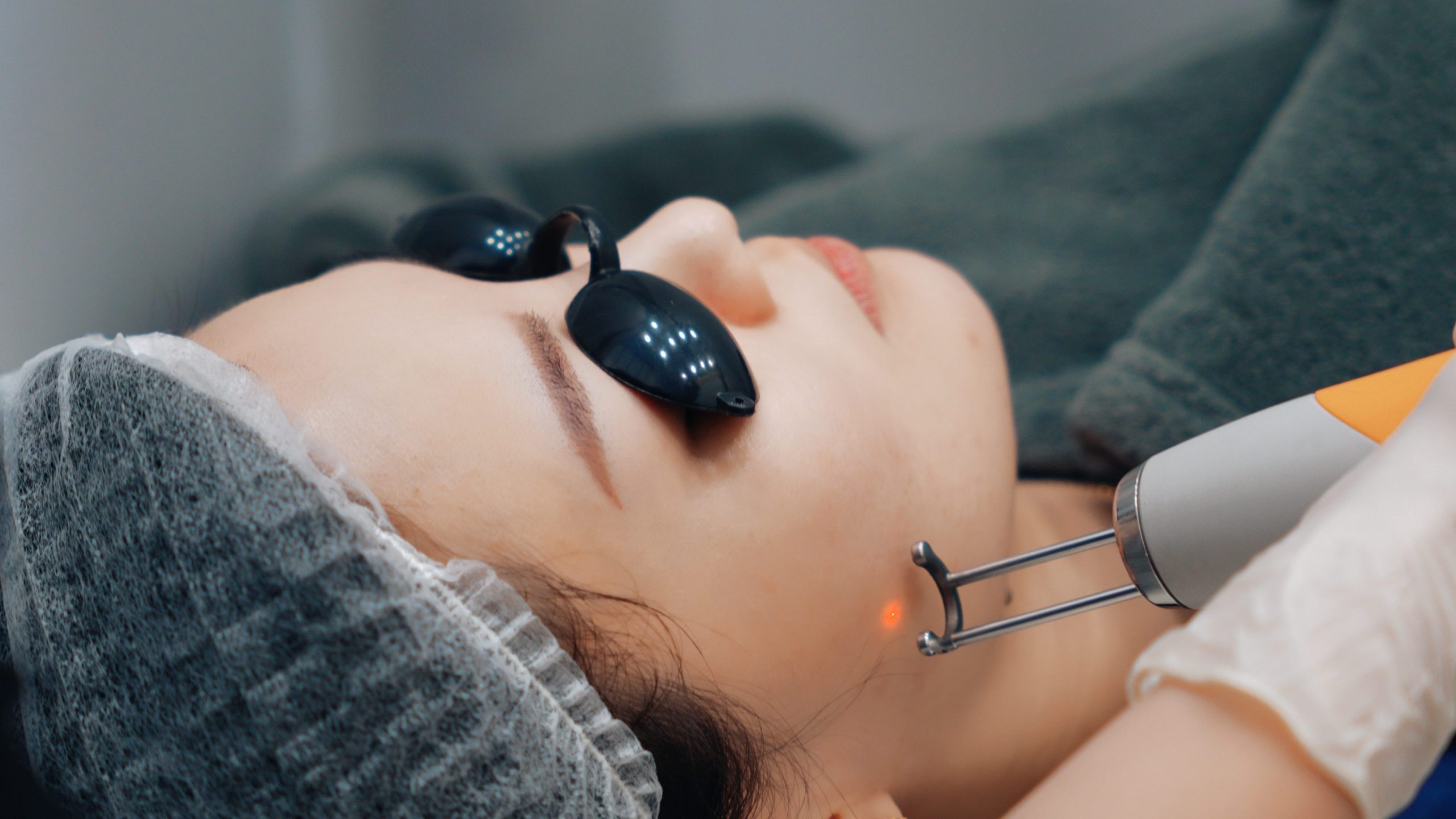
Traditional lasers work like a lightbulb that stays on a bit too long—they use photothermal energy (heat) to burn away pigment. The problem? Excessive heat can trigger even more pigment production in Asian skin, often leading to post-inflammatory hyperpigmentation (PIH).
The Pico laser is a game-changer because it operates in picoseconds (one-trillionth of a second). Instead of cooking the pigment, it uses a photomechanical effect. It hits the melanin so fast that the pigment literally shatters into tiny “dust” particles, which your body’s immune system then flushes away naturally.
Is It Safe and Effective for Asian Skin Tones?
The short answer: Yes, absolutely. In fact, many dermatologists consider it the gold standard for Asian complexions.
Because Pico lasers deliver energy so quickly, there is minimal thermal damage to the surrounding skin. According to clinical insights from the American Academy of Dermatology, this reduced heat profile significantly lowers the risk of scarring or accidentally darkening the spots further. For Asian skin, which ranks higher on the Fitzpatrick Scale, this “cool” laser technology is exactly what is needed to treat deep-seated pigment without the downtime.
Targeting Specific Concerns: Melasma, Sun Spots, and Freckles
Not all brown spots are created equal. Here is how Pico tackles the “Big Three”:
Sun Spots & Freckles: These are usually superficial. Pico can often clear these in just 2–3 sessions because the pigment is easy to reach.
Melasma: This is the “final boss” of skin issues. It’s hormonal and tricky. While Pico doesn’t “cure” melasma, it is highly effective at breaking up patches without the heat-induced flare-ups caused by older lasers.
Hori’s Nevus: This deep, bluish-grey pigmentation common in Asian women responds incredibly well to the deep reach of Pico technology.
What to Expect: The Treatment Process and Recovery
One of the best things about Pico is that it’s a “lunchtime” procedure.
The Feeling: It feels like a tiny rubber band snapping against your skin. Most clinics apply a numbing cream, making it very tolerable.
The Look: Immediately after, you might look like you have a mild sunburn.
The Downtime: Usually just 24–48 hours of slight redness. Unlike older resurfacing lasers, you won’t have “crusting” or raw skin.
The Results: You’ll start seeing a brighter tone in about 1–2 weeks.
To ensure you’re getting a safe treatment, always check if the device is FDA-cleared, as this ensures the machine meets strict safety standards for medical-grade results.
Comparing Pico with Other Pigmentation Treatments
While Healthline notes that topical treatments like Vitamin C and Retinols are great for maintenance, they rarely reach the deep dermal pigment that a Pico laser can target in a single flash.
| Treatment | How it Works | Best For | Risk for Asian Skin |
| Pico Laser | Sound waves | All types, especially Melasma | Low |
| Q-Switch | Heat | General spots, Tattoos | Moderate |
| Chemical Peels | Acid exfoliation | Surface dullness | Variable |
| IPL | Broad light | Redness & light spots | High (can burn) |
Potential Side Effects and Precautions for Asian Patients
Even though it’s safer, it’s not “no-risk.” In some cases, if the settings are too aggressive, you could experience hypopigmentation (white spots).
This is why choosing the right practitioner is more important than the machine itself. You want someone who understands Asian skin histology. For a deeper look at how different skin types react to light energy, the Skin Cancer Foundation provides excellent educational resources on melanin and UV/laser sensitivity.
Tips for Maximizing Your Pico Laser Results
If you’re going to invest in Pico, you want the results to last:
Sunscreen is Non-Negotiable: Your “new” skin is sensitive. Use a physical blocker with Zinc Oxide.
Baby Your Skin: Skip the Retin-A or harsh scrubs for 5 days post-treatment.
Stay Hydrated: Your skin heals faster when it’s hydrated.
Check the Brand: Look for reputable names like PicoSure or PicoWay. You can find detailed breakdowns of medical laser technologies on sites like WebMD.
The Verdict: Is It Worth It?
If you are dealing with stubborn pigmentation that creams won’t touch, the Pico laser is 100% worth it for Asian skin. It offers a rare combination of high efficacy and low risk, provided you go to a certified professional.
