
In the tropical heat of Malaysia, “sun-kissed” can quickly turn into “sun-spotted.” If you’ve noticed dark patches or uneven clusters appearing on your cheeks or forehead, you aren’t alone. In 2026, pigmentation treatment in Malaysia has become one of the most sought-after medical aesthetic procedures. Thanks to a surge in picosecond technology and localized clinical expertise, achieving a clear, even complexion is no longer a matter of “if,” but “when.”
Her Clinic, a trusted aesthetic clinic Kuala Lumpur, offers advanced pigmentation treatments to reduce dark spots, even skin tone, and restore a radiant, youthful complexion safely and effectively.
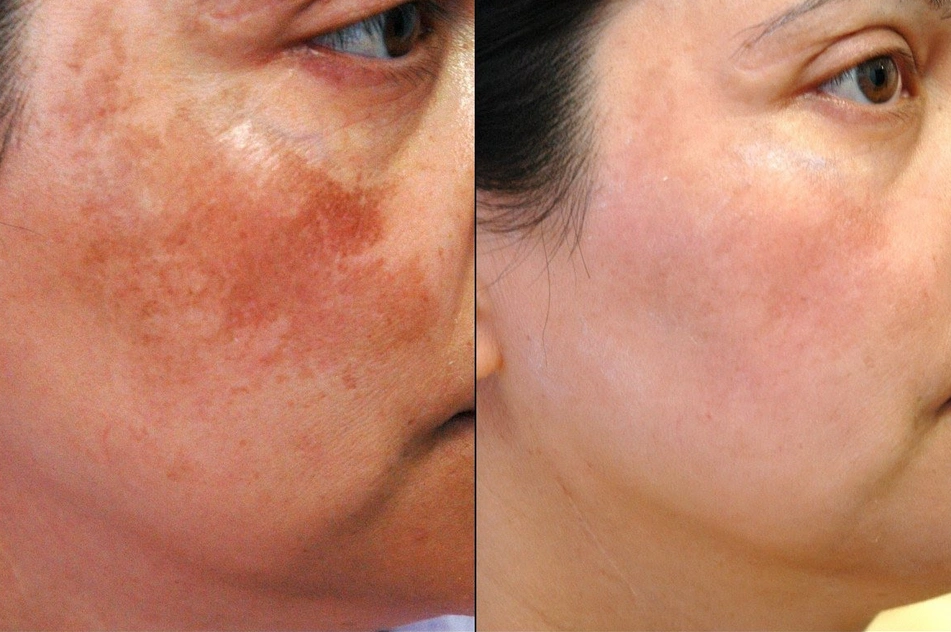
Pigmentation is essentially your skin’s coloring, determined by a pigment called melanin. While melanin is your body’s natural defense against UV radiation, an overproduction of it leads to hyperpigmentation—those stubborn dark spots that seem to mock your best concealers.
Melasma: Often called the “mask of pregnancy,” these are symmetrical, brown-to-greyish patches commonly found on the cheeks, nose, and forehead.
Sun Spots (Solar Lentigines): Also known as age spots or liver spots, these are flat, darkened circles caused by years of direct sun exposure.
Post-Inflammatory Hyperpigmentation (PIH): These are the lingering dark marks left behind after a bout of acne, eczema, or skin trauma.
Malaysia’s location near the equator means we face extreme UV levels daily. According to the American Academy of Dermatology, sun exposure is the primary trigger for melanin overproduction. Additionally, hormonal fluctuations (estrogen and progesterone) and the inflammatory response from “Maskne” or localized skin injuries significantly contribute to the prevalence of dark spots in the local population.
While anyone can develop it, individuals with Fitzpatrick Skin Types III to V (common in Malay, Chinese, and Indian ethnicities) are more susceptible to PIH and melasma because their skin naturally contains more active melanocytes.
The gold standard for 2026 is the Pico Laser. Unlike older nanosecond lasers that used heat to burn pigment, Pico technology uses photoacoustic energy to shatter melanin into “dust-like” particles, which the body then flushes out naturally.
Medical-grade peels use acids like Glycolic, Salicylic, or Trichloroacetic Acid (TCA) to exfoliate the surface. The Mayo Clinic confirms that chemical peels are highly effective for resurfacing skin and reducing the appearance of superficial sun damage.
Clinics often prescribe high-potency ingredients such as Hydroquinone, Cysteamine, or Tranexamic Acid. These work by inhibiting the tyrosinase enzyme—the “on switch” for melanin production.
Often paired together, Microneedling creates micro-channels that allow Platelet-Rich Plasma (PRP) or lightening serums to penetrate deeper into the dermis, accelerating cellular repair and fading deep-set spots.
The most successful “glass skin” protocols in 2026 involve “stacking”—combining a Pico Laser session with a Yellow Laser (to target redness) and Skin Boosters for maximum radiance.
Melasma: Requires a gentle, low-heat approach (like PicoWay or Discovery Pico) to avoid “rebound” darkening.
Sun Damage: Targeted Q-Switched or Nd:YAG lasers work wonders on defined age spots.
Post-Inflammatory Hyperpigmentation (PIH): Salicylic acid peels and brightening lasers help speed up the fading of acne marks.
Uneven Skin Tone: A series of Laser Carbon Peels can provide a general “brightening” effect across the entire face.
Removing the “cloudiness” of pigmentation allows light to reflect more evenly off the skin surface, creating that coveted glow.
Treatments specifically target the root of the pigment, leading to a visible reduction in the size and intensity of dark patches.
Many treatments, particularly lasers and microneedling, stimulate collagen synthesis. According to the Skin Cancer Foundation, treating sun-damaged skin can also help in the early identification and removal of potentially precancerous cells.
| Treatment Type | Price Per Session (RM) |
| Pico Laser (Full Face) | RM 800 – RM 1,800 |
| Chemical Peel | RM 250 – RM 600 |
| Q-Switched Laser | RM 400 – RM 900 |
| PRP / Skin Boosters | RM 1,200 – RM 2,500 |
The machine’s brand (e.g., Cynosure or Fotona), the clinic’s location (KLCC vs. suburban areas), and whether the procedure is performed by an LCP-certified doctor all influence the final bill.
Pigmentation isn’t a “one-and-done” fix. Most patients require 3 to 6 sessions spaced 4 weeks apart to see significant clearance.
Your journey begins with an AI skin analysis. This reveals pigment hidden deep within the layers of your skin that isn’t yet visible to the naked eye.
Most sessions take 20–45 minutes. You’ll likely wear protective goggles, and for lasers, you may feel a sensation similar to a “rubber band snap” against the skin.
With Pico lasers, downtime is minimal (1–2 days of redness). Chemical peels may cause 3–5 days of “flaking.” The most critical aftercare step? Daily SPF 50+ application, as emphasized by the World Health Organization for UV protection.
In Malaysia, always verify that your doctor holds a Letter of Credentialing and Privileging (LCP). This is issued by the Ministry of Health (MOH) Malaysia and ensures the practitioner is legally qualified to perform aesthetic procedures.
Ensure the clinic uses FDA-approved or MDA-registered devices. Authentic machines are more precise and carry significantly lower risks of burning the skin.
Temporary redness, swelling, or “pepper spots” (where the pigment darkens before flaking off) are normal reactions to laser treatment.
Pregnant women should avoid chemical peels with high salicylic acid. Those with active skin infections or a history of keloid scarring should consult their doctor before microneedling.
Always follow the “No Sun” rule for 1 week post-treatment and avoid using harsh Retinols or exfoliants until your skin has fully recovered.
Results can be permanent for sun spots, but melasma is a chronic condition that requires ongoing maintenance and strict sun protection.
Most patients describe it as a mild tingle. Medical-grade numbing creams make most procedures very comfortable.
Yes! In fact, combining lasers with medical-grade facials is the secret to the most dramatic transformations in 2026.