
If you’ve noticed stubborn, symmetrical brown patches appearing on your cheeks or forehead, you aren’t alone. In Malaysia, melasma is one of the most common skin concerns, often nicknamed the “mask of pregnancy” or simply dismissed as “pigment.”
But unlike regular sunspots, melasma is a bit of a mystery—it’s a complex condition where your skin cells go into overdrive. Understanding the causes of melasma is the first step toward reclaiming your glow in our tropical climate.
What Is Melasma?
Definition and Symptoms
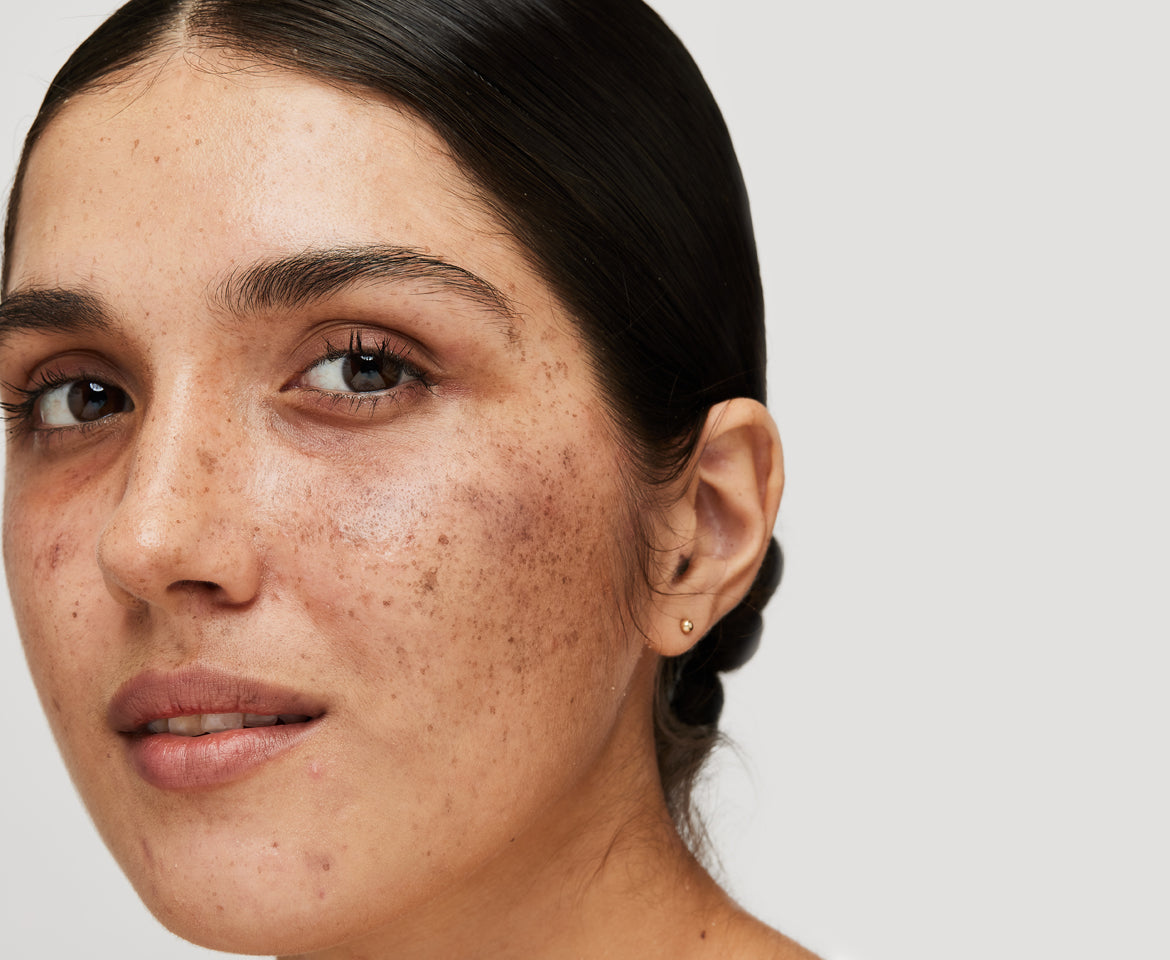
Melasma is a chronic skin condition characterized by flat, patchy areas of discoloration that are darker than your natural skin tone. It typically appears as brown, tan, or even grayish-blue patches. Unlike freckles, these patches are usually larger and appear symmetrically on both sides of the face.
How Melasma Affects Different Skin Types
While anyone can get it, melasma is a “fan” of pigment. According to the American Academy of Dermatology, it occurs most frequently in individuals with medium to dark skin tones (Fitzpatrick types III–VI). This is because people with more natural pigment have more active melanocytes (color-producing cells) ready to react to triggers.
Common Areas Affected
The face is the primary target, specifically the:
Centrofacial: Forehead, nose, and upper lip.
Malar: Upper cheeks.
Mandibular: Jawline and chin.
Primary Causes of Melasma
Sun Exposure and UV Damage
This is the big one. Ultraviolet (UV) light stimulates your melanocytes to pump out melanin. Even a small amount of sun exposure can make melasma flare up after it has faded. In a country like Malaysia, where the UV index is frequently “Extreme,” the sun is the most significant environmental trigger.
Hormonal Changes (Pregnancy, Birth Control, Menopause)
Hormones are a major internal driver. Estrogen and progesterone are thought to sensitize the skin to the sun. This is why melasma often crops up during pregnancy (affecting up to 50% of women) or while taking oral contraceptives.
Genetic Predisposition
If your mum or auntie struggled with “jeragat” (melasma), you might be more likely to develop it too. Clinical reviews on melasma pathogenesis suggest that up to 50% of people with melasma have a family history of the condition.
Skin Inflammation and Irritation
Post-inflammatory hyperpigmentation (PIH) and melasma often walk hand-in-hand. Harsh chemical peels or aggressive waxing that causes inflammation can actually signal your skin to produce more pigment as a defense mechanism.
Use of Certain Skincare Products
Sometimes, your “glow-up” routine is the culprit. Products that irritate the skin or contain phototoxic ingredients can worsen the condition. If a cream makes your skin sting or turn red, it could be triggering a melasma flare.
Medications That Trigger Pigmentation
Certain drugs, such as anti-seizure medications or those that make your skin more sensitive to light (phototoxic drugs), can be unexpected causes of melasma. Always check with your doctor if you notice new patches after starting a new prescription.
Lifestyle and Environmental Factors
Heat and Infrared Radiation
It’s not just the light; it’s the heat. Infrared radiation (heat) from cooking over a hot stove or even high-intensity saunas can dilate blood vessels and stimulate pigment. For many Malaysians, “kitchen heat” is a hidden factor in stubborn pigmentation.
Stress and Hormonal Imbalance
While still being studied, researchers believe that high levels of cortisol (the stress hormone) can trigger the melanocyte-stimulating hormone. Chronic stress might be the reason your melasma won’t budge despite using expensive creams.
Pollution and Environmental Triggers
Recent studies on pollution and skin health suggest that airborne particulate matter and polycyclic aromatic hydrocarbons (PAHs) can enter the skin and generate oxidative stress, which leads to increased pigmentation.
Risk Factors Specific to Malaysian Skin Types
Higher Prevalence in Medium to Dark Skin Tones
Because most Malaysians fall into the Fitzpatrick IV and V categories, our skin naturally contains more “active” pigment machinery. This makes us more prone to melasma than our fairer-skinned counterparts.
Cultural and Cosmetic Practices That Increase Risk
The use of unregistered “whitening” creams found in night markets can be dangerous. These often contain hidden mercury or high-strength hydroquinone, which can cause a permanent, bluish-black discolouration known as Ochronosis if used incorrectly.
Prevention and Management
Sun Protection and Daily SPF Use
Sunscreen is your non-negotiable best friend. Experts recommend a broad-spectrum SPF 50 or higher. For melasma, tinted sunscreens containing iron oxide are superior because they also block visible light (the blue light from your phone and the sun), which clear sunscreens don’t.
Gentle Skincare Routine
Stop scrubbing! Switch to gentle, non-foaming cleansers and focus on repairing your skin barrier. Ingredients like Niacinamide and Vitamin C can help safely brighten without causing the irritation that leads to more pigment.
Regular Dermatologist Check-Ups
Melasma is stubborn and likes to come back. A dermatologist can provide medical-grade treatments like Pico Laser or oral Tranexamic Acid. Research on melasma treatment options shows that combination therapy—mixing topicals with professional procedures—usually yields the best results.
FAQs About Causes of Melasma
Is Melasma Hereditary?
Yes, genetics play a huge role. If it runs in your family, you’ll need to be extra diligent with sun protection from a young age.
Can Lifestyle Changes Reduce Melasma Risk?
Absolutely. Managing stress, wearing wide-brimmed hats, and avoiding direct heat can significantly reduce the “triggers” that keep melasma active.
How Quickly Does Melasma Develop?
It can appear gradually over months or “bloom” quite suddenly after a beach holiday or during the second trimester of pregnancy.
