
What Is Pico Laser?
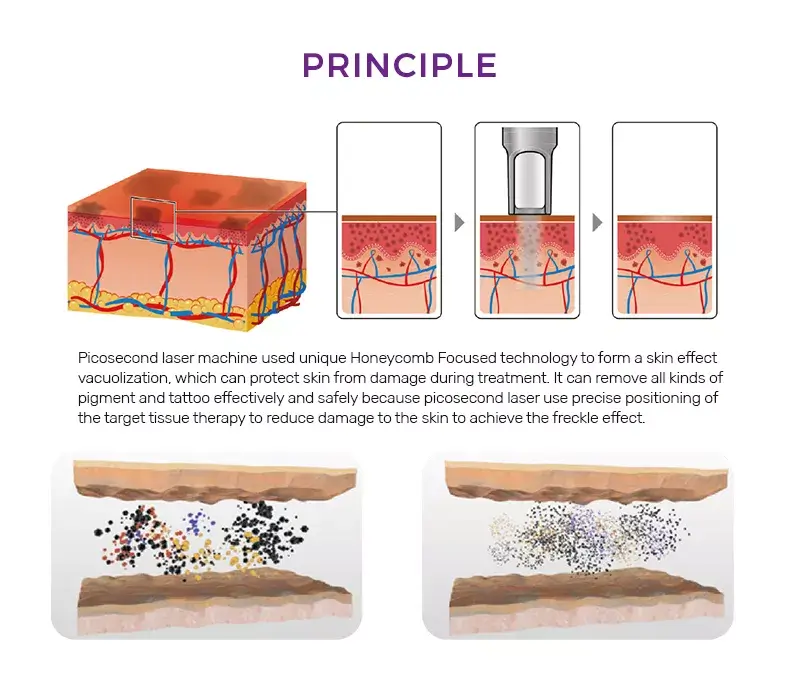
Pico laser is an advanced, non-invasive skin treatment using ultra-short picosecond pulses to shatter pigment particles with minimal heat. It effectively treats melasma, tattoos, acne scars, and pigmentation while stimulating collagen. Benefits include faster results, less downtime, and improved skin texture and tone compared to traditional lasers.
How Pico Laser Technology Works
The technology utilizes a photoacoustic effect rather than a thermal one. By delivering ultra-short pulses, it creates tiny “shocks” in the skin. This mechanical energy breaks down melanin or tattoo ink into dust-like particles, which are then naturally processed and eliminated by the body’s lymphatic system.
Difference Between Pico Laser and Traditional Laser
Traditional lasers, like the Q-switched variety, operate in nanoseconds. This longer pulse duration generates more heat, increasing the risk of burns or PIH (Post-Inflammatory Hyperpigmentation). Pico technology is significantly faster, offering higher precision, fewer sessions, and a reduced risk of thermal injury during the treatment.
Types of Pico Laser Devices
Several top-tier devices dominate the market in Malaysia. These include the PicoSure, which uses a 755nm wavelength, and the PicoWay, known for its 532nm and 1064nm capabilities. Other notable brands found in a reputable pico laser clinic include Discovery Pico, Lutronic PicoPlus, and Fotona StarWalker.
Pico Laser Benefits
Pico laser treatment offers a variety of benefits for improving the appearance of the skin. These include:
Brightening and evening out skin tone – Reduces hyperpigmentation, sun spots, and melasma for a more uniform complexion.
Rejuvenating and reducing wrinkles and fine lines – Stimulates collagen production to smooth aging signs and restore skin vitality.
Smoothing and improving texture – Minimizes enlarged pores and refines uneven skin surfaces for a softer feel.
Tightening and firming the skin – Boosts elastin fibers to lift sagging areas and enhance skin elasticity.
Non-invasive with zero to minimal downtime – Delivers advanced results without surgery, allowing quick recovery and immediate return to daily activities.
Pico Laser for Pigmentation
For those struggling with sunspots or freckles, this treatment is a game-changer. It targets localized melanin clusters with high precision. By breaking down these pigments into microscopic fragments, the skin appears visibly clearer and more even-toned after just a few sessions at a pico laser clinic.
Pico Laser for Melasma
Melasma is notoriously difficult to treat because heat can trigger more pigment. Because pico technology uses pressure instead of intense heat, it is safer for melasma patients. It helps manage the appearance of hormonal patches by gently shattering the pigment without causing the inflammation that worsens the condition.
Pico Laser for Acne Scars
To treat acne scars, the laser uses specialized lenses to create Laser Induced Optical Breakdown (LIOB). This process creates tiny bubbles under the skin, stimulating a massive wound-healing response. This leads to new collagen and elastin production, effectively filling in “pitted” scars from within.
Pico Laser for Tattoo Removal
Removing unwanted ink is faster with picosecond pulses. The laser shatters ink particles into a “dust” that the body’s immune system clears easily. It works on various colors, including difficult greens and blues, often requiring 50% fewer sessions than traditional nanosecond lasers.
Pico Laser for Skin Rejuvenation
Beyond fixing problems, it’s a powerful anti-aging tool. The treatment stimulates the dermis to produce more collagen. This results in tighter pores, reduced fine lines, and a healthy “glow.” Many Malaysians use it as a monthly maintenance facial to keep their complexion youthful and vibrant.
Pico Laser Treatment Process
The journey begins with a professional assessment to ensure your skin is suitable. The actual procedure is quick, typically lasting under 30 minutes. Most patients find it very tolerable, often describing the sensation as a light “snapping” against the skin, followed by immediate application of cooling masks.
Skin Consultation and Assessment
A qualified doctor will examine your skin type using the Fitzpatrick scale. They assess the depth of pigmentation or the severity of scarring. This step is crucial for setting the correct laser parameters, ensuring the treatment is both safe and effective for your specific needs.
Pico Laser Procedure Step-by-Step
First, the skin is thoroughly cleansed. A topical numbing cream may be applied for 20–30 minutes to maximize comfort. The doctor then passes the laser handpiece over the target areas. Finally, a soothing serum or cold compress is applied to calm any redness before you head out.
Treatment Duration and Sessions Required
A single session usually takes 15 to 30 minutes. For general rejuvenation, 3 sessions might suffice. However, complex pigment or deep acne scars often require 5 to 10 sessions spaced 4 weeks apart. Your doctor will customize a plan based on your skin’s unique regenerative pace.
Pico Laser Results
Patients usually notice a brighter complexion within a week. For structural issues like scars or deep pigment, results improve progressively as collagen builds up over several months. The outcome is a smoother, clearer skin surface that looks naturally refreshed rather than “worked on.”
Pico Laser Before and After
“Before” photos usually show uneven texture, dark spots, or visible scarring. “After” images typically reveal a significant reduction in pigment intensity and a more refined skin grain. Most clinics in Malaysia keep a portfolio of real patient results to help manage your expectations during the initial consultation.
Results Timeline
Immediate “glow” effects can be seen after 7 days as the skin surface heals. Pigment removal results become more apparent after 2–3 weeks as the body clears the shattered melanin. Peak collagen remodeling for acne scars or wrinkles usually occurs around the 3-month mark following your final session.
Factors Affecting Pico Laser Results
Lifestyle choices play a massive role in your outcome. Sun exposure without protection can trigger new pigment, undoing the laser’s work. Additionally, your body’s metabolic rate affects how quickly shattered ink or melanin is cleared. Following the prescribed post-treatment care is essential for the best results.
Pico Laser Downtime and Aftercare
One major draw of the pico laser is the minimal downtime. Most people return to work immediately. While you might look slightly sunburnt for a few hours, there is rarely any peeling or crusting, making it the perfect “lunchtime” procedure for busy professionals in Malaysia.
Immediate Skin Reactions
It is normal to experience mild redness (erythema) and slight swelling immediately after the session. Some patients might see “frosting”—a temporary white appearance over the treated area—which subsides quickly. These reactions are signs that the laser has successfully interacted with the target pigment or tissue.
Pico Laser Recovery Time
For most, redness fades within 4 to 24 hours. If a more aggressive setting was used for deep scarring, mild pinkness might persist for 2–3 days. Unlike traditional resurfacing lasers, there is no significant “scabbing,” allowing you to apply makeup and resume social activities almost immediately.
Post-Treatment Care
Hydration and sun protection are your best friends after a pico laser treatment. Apply a broad-spectrum SPF 50+ daily, as your skin will be temporarily sensitive to UV rays. Avoid harsh skincare ingredients like retinoids or AHAs for 5 days, and keep the skin moisturized with gentle, fragrance-free creams.
Pico Laser Side Effects and Safety
When performed by a certified professional, the pico laser is exceptionally safe. The technology is designed to minimize damage to the epidermis. However, like any medical procedure, there are minor risks that are easily managed through proper technique and diligent aftercare by the patient.
Common Side Effects
The most common side effects are temporary redness, itching, or slight swelling. In rare cases, some may experience temporary hyperpigmentation or “purpura” (tiny bruises), especially if treating deep tattoos. These typically resolve on their own within a week and are considered normal parts of the healing process.
Who Should Avoid Pico Laser
Pregnant women and individuals with active skin infections or open wounds should avoid the treatment. If you have a history of keloid scarring or are taking photosensitizing medications like Accutane, consult your doctor. Those with very dark skin tones require specific settings to prevent unwanted pigment changes.
Safety for Different Skin Types
Modern pico lasers are safe for Asian skin types, which are prone to PIH. Because the laser spends so little time on the skin, there is less heat accumulation. This makes it a safer choice for Fitzpatrick types III to V compared to older, heat-driven laser technologies.
Pico Laser Cost in Malaysia
The pico laser price in Malaysia is quite competitive globally. Prices vary depending on the clinic’s location, the doctor’s expertise, and the specific device used. Generally, Malaysia offers high-standard care at a fraction of the cost found in Western countries or Singapore.
Average Pico Laser Price per Session
On average, a single session of pico laser in Malaysia ranges from RM 400 to RM 1,200. “Trial” sessions are often available at a lower entry point. Keep in mind that extremely low prices may indicate a “pico-style” machine rather than an authentic, medical-grade picosecond laser.
Factors Affecting Pico Laser Cost
The size of the treatment area (e.g., full face vs. a small spot) significantly impacts the price. The complexity of the issue, such as multi-colored tattoos or deep scarring, may also increase the cost. Lastly, clinics in premium areas like Bangsar or KLCC may charge more for their specialized expertise.
Pico Laser Packages in Malaysia
Most patients opt for packages to save money. A bundle of 5 to 6 sessions can reduce the per-session cost by 20% to 30%. Many clinics also offer interest-free installment plans, making it easier to budget for a full course of treatment to achieve optimal skin results.
Pico Laser vs Other Laser Treatments
Choosing between lasers can be confusing. While many lasers can improve skin, the pico stands out for its speed and safety. Understanding how it compares to older technologies helps you make an informed decision when searching for a pico laser near me.
Pico Laser vs Q-Switched Laser
Q-switched lasers are the “older brothers” of pico technology. They use nanosecond pulses, which create more heat. While effective for some, they carry a higher risk of side effects. Pico lasers are generally faster, more comfortable, and require fewer total sessions to achieve the same or better results.
Pico Laser vs Fractional Laser
Fractional CO2 lasers are excellent for deep resurfacing but come with 5–7 days of significant downtime and peeling. Pico lasers can achieve similar rejuvenation and scar improvement through LIOB technology without the “raw” skin phase. Pico is often preferred by those who cannot afford a week of recovery.
Pico Laser FAQ
Is Pico Laser Painful?
Most patients describe the feeling as a rubber band snapping against the skin. It is uncomfortable but not “painful.” With numbing cream, the sensation is significantly dulled. Most sessions are over so quickly that patients find it very easy to tolerate without any local anesthesia.
How Many Sessions Are Needed?
For skin brightening, 2–3 sessions often suffice. Pigmentation usually requires 3–5 sessions, while acne scars or tattoo removal might need 6 to 10. The exact number depends on your skin’s condition and how it responds to the first few treatments.
Is Pico Laser Safe for Sensitive Skin?
Yes, it is generally safe for sensitive skin because it avoids excessive heat. However, a “patch test” is often recommended. Your doctor will adjust the energy levels to ensure the skin is stimulated without being overwhelmed, making it a viable option for most skin types.
How Long Do Pico Laser Results Last?
Results for tattoo removal and scar revision are permanent. For pigmentation and rejuvenation, results can last many months or even years. However, new sun damage or aging will eventually occur, so many patients opt for maintenance sessions every 6 months to keep their skin in peak condition.
