


If you’ve been browsing the “glass skin” hashtags or eyeing those Korean aesthetic clinics in Bangsar or Mont Kiara, you’ve definitely heard of Juvelook. It’s the current “it-girl” of skin boosters, promising that elusive, lit-from-within glow by naturally ramping up your own collagen.
But let’s be real—injecting anything into your face comes with a “wait, is this safe?” moment. If you’re wondering about Juvelook side effects and whether your skin will thank you or throw a tantrum, you’re in the right place.
What Is Juvelook?
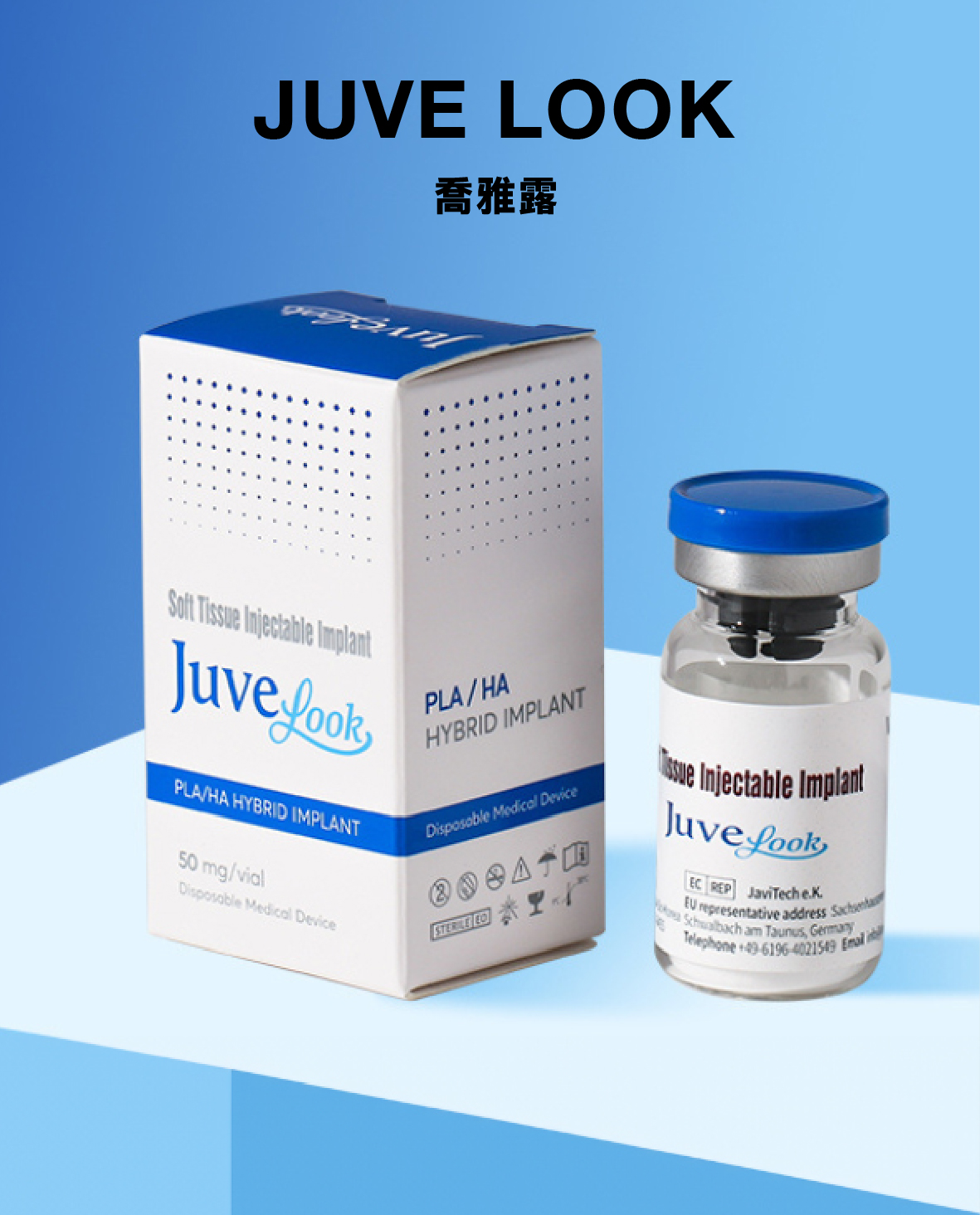
Juvelook is a “hybrid” skin booster that hails from South Korea. Unlike your standard hyaluronic acid (HA) fillers that just “fill” a gap, Juvelook is a collagen stimulator. It’s a clever mix of Poly-DL-Lactic Acid (PDLLA) and non-cross-linked HA.
While the HA gives you a quick hit of hydration, the PDLLA works behind the scenes like a tiny construction crew, encouraging your skin to build its own structural support over the next few months.
How Juvelook Works: Mechanism and Uses
Think of Juvelook as a “collagen farmer” rather than a “sculptor.” When injected into the dermis, the PDLLA micro-particles trigger a mild, controlled inflammatory response. This doesn’t hurt you; instead, it signals your fibroblasts (the cells that make collagen) to get to work.
In Malaysia, doctors typically use it for:
Fine lines and “crepey” skin (especially around the eyes).
Acne scars that need “plumping” from the inside out.
Pore refinement and overall skin texture.
Subtle volume in hollow temples or cheeks (using the denser Juvelook Volume).
Common Juvelook Side Effects
Most people walk out of the clinic looking like they’ve just had a slightly aggressive facial. The “downtime” is usually more about social awkwardness than actual medical recovery.
Immediate Reactions After Treatment
Right after the needle hits the skin, you’ll likely see pinpoint bleeding and erythema (fancy word for redness). This is just your skin reacting to the physical “trauma” of the injection. Some patients also notice tiny, “mosquito bite” bumps where the product was placed—this is normal and usually settles as the HA absorbs.
Mild and Temporary Symptoms
Over the first 24 to 48 hours, you might experience:
Swelling (Edema): Especially if you’re treated in delicate areas like the under-eyes.
Bruising: Depending on your luck and your injector’s technique, you might get a few small “blue spots.”
Tenderness: The treated area might feel a bit “tight” or sore to the touch.
Expected vs Normal Side Effects
It’s important to distinguish between a “reaction” and a “complication.” Feeling a bit puffy for two days is an expected side effect. Seeing a giant, spreading bruise or feeling intense, throbbing pain is not normal and needs a quick call to your doctor.
Rare But Serious Juvelook Side Effects
While the safety profile of biocompatible polymers like PDLLA is very high, “rare” doesn’t mean “never.”
Allergic Reactions and What to Watch For
True allergies to Juvelook are incredibly rare because PDLLA is a substance already used in medical sutures. However, if you experience hives, intense itching, or difficulty breathing, seek medical help immediately. This could be a reaction to the lidocaine (numbing agent) or the product itself.
Nerve Injury, Infection, and Other Complications
Nodules (Lumps): This is the “big one” people worry about. If the product isn’t diluted correctly or is injected too superficially, it can form small, hard bumps under the skin.
Vascular Occlusion: A nightmare scenario where the filler accidentally blocks a blood vessel. Symptoms include immediate, severe pain and skin blanching (turning white/gray).
Infection: Usually caused by poor aftercare or unsterile clinic environments. Look for spreading redness, heat, and pus.
Factors That Increase Risk of Side Effects
Your “safety journey” depends 20% on the product and 80% on the person holding the needle.
Dosage and Injection Technique
Juvelook comes as a dry powder that needs to be “reconstituted” (mixed with saline) for at least 2 hours before use. If a clinic rushes this, the clumpy suspension can cause nodules. Also, using a blunt cannula instead of a sharp needle can significantly reduce the risk of bruising and vascular injury.
Patient Health Conditions and Allergies
If you have an active skin infection (like a cold sore) or an autoimmune condition, your risk of a “flare-up” increases. Always disclose your full medical history—don’t be shy about that aspirin you took this morning, as it will definitely make you bruise more!
How Long Do Juvelook Side Effects Last?
Patience is a virtue, especially when it comes to your face.
Typical Recovery Timeline
Day 1-3: Redness and “mosquito bumps” disappear.
Day 4-7: Any minor bruising starts to turn yellow and fade.
Week 2: Any “fullness” from the initial HA hydration settles, and you’ll actually feel like nothing happened (until the collagen kicks in around month one!).
When Symptoms Are Abnormal
If you still have hard lumps, persistent pain, or skin discoloration after 14 days, it’s time to head back to the clinic for a review.
Juvelook vs Other Wrinkle Relaxers: Side Effect Comparison
It’s like comparing apples to… very different apples.
Juvelook vs Botox Side Effects
Botox works by “freezing” muscles, so its side effects are usually related to muscle movement (like a heavy eyelid or a “Spock” eyebrow). Juvelook is a collagen biostimulator, so its risks are more about skin texture, lumps, or localized swelling.
Juvelook vs Dysport and Others
Similar to Botox, Dysport is a neuromodulator. Juvelook is more comparable to Rejuran Healer or Profhilo. Rejuran is notorious for leaving “bumps” that last 2–3 days, whereas Juvelook tends to smooth out much faster due to its PDLLA structure.
Safety Guidelines for Juvelook in Malaysia
Malaysia’s aesthetic scene is booming, but “cheap” can sometimes be “expensive” in the long run.
Choosing a Qualified Injector
In Malaysia, ensure your doctor has a Letter of Credentialing and Privileging (LCP) from the Ministry of Health. This ensures they aren’t just a “beautician” but a medical professional trained to handle complications.
Pre-Treatment Screening and Precautions
A good clinic will always do a “skin pinch test” or a thorough consultation. They should check if the Juvelook vial has the official NPRA-regulated hologram stickers to ensure it’s not a parallel-imported or counterfeit product.
Managing and Treating Side Effects
If you do end up with a bit of a “reaction,” don’t panic.
Home Care Tips
The 5-5-5 Rule: Some doctors recommend massaging the area for 5 minutes, 5 times a day, for 5 days to prevent lumps (though this depends on the specific Juvelook dilution used).
Stay Cool: Avoid saunas, hot yoga, and the Malaysian sun for 48 hours.
Arnica: Topical arnica gel can help those bruises clear up faster.
When to Seek Medical Help
If you see skin mottling (a purple, lace-like pattern) or feel extreme pain that isn’t relieved by paracetamol, call your doctor immediately. These are signs of vascular issues that need urgent “dissolving” or medical intervention.
Juvelook Side Effects FAQs (Malaysia-Specific)
Can Juvelook Cause Long-Term Damage?
When performed by a pro, no. The PDLLA breaks down into water and carbon dioxide and is naturally expelled by your body. Long-term “damage” usually only occurs if a permanent filler was used by mistake or if an infection was left untreated.
Is Juvelook Approved/Regulated in Malaysia?
Yes! Juvelook is registered with the National Pharmaceutical Regulatory Agency (NPRA). Always ask to see the box—authentic Juvelook in Malaysia should have clear labeling and batch numbers that can be verified.
Conclusion: Is Juvelook Worth the Risk?
Every aesthetic procedure has a “risk-to-reward” ratio. For Juvelook, the risks (like temporary swelling or rare nodules) are generally low compared to the “reward” of long-lasting, natural skin rejuvenation. If you choose a licensed LCP doctor and follow the aftercare, you’re likely to join the ranks of the “glowy-skinned” elite without any drama.
