


Pico Laser for Asian Skin Types (Fitzpatrick III–V)

If you live in Malaysia, you know the struggle of maintaining a clear complexion in our year-round tropical sun. For those with Asian skin types (typically Fitzpatrick III–V), common issues like melasma, stubborn acne marks, and sunspots aren’t just frustrating—they can be tricky to treat.
In the past, many were told to avoid lasers because of the risk of “rebound” darkening. Enter Pico Laser: the game-changer that has made high-performance skincare safe for melanin-rich skin. Let’s dive into why this specific technology is the gold standard for our skin type.
Introduction to Pico Laser Treatment
What Is Pico Laser and How It Works
Unlike traditional lasers that use heat to burn away pigment, a Pico laser treatment works like a tiny, ultra-fast acoustic hammer. It delivers energy in picoseconds (one-trillionth of a second). This speed creates a “photoacoustic” effect, shattering pigment into dust-like particles without cooking the surrounding skin.
Why Pico Laser Is Ideal for Asian Skin Types (Fitzpatrick III–V)
Asian skin is naturally higher in melanin, which makes it more reactive to heat. Traditional lasers can sometimes trigger the skin to produce more pigment as a defense mechanism—a nightmare known as PIH. Because Pico lasers use pressure rather than heat, they significantly lower this risk, making them the safest bet for Asian skin tones.
Benefits of Pico Laser for Asian Skin
Improved Pigmentation Treatment (Melasma, Sun Spots)
Melasma is notoriously difficult to treat in the Malaysian climate. Pico laser is highly effective at breaking down melasma and hyperpigmentation because it reaches deep pigment layers without the aggressive thermal damage that typically worsens these conditions.
Tattoo and Pigment Removal
Whether it’s a “vintage” tattoo or deep-seated birthmarks like Hori’s Nevus, Pico technology clears ink and pigment faster than old-school nanosecond lasers, requiring fewer sessions overall.
Minimizing Acne Scars and Texture Irregularities
By using a specialized lens (like the Focus or Resolve lens), the laser creates tiny “pockets” of air under the skin. This triggers a massive collagen boost, smoothing out pitted acne scars and refining large pores.
Skin Rejuvenation and Brightening
Even if you don’t have major scars, a “Pico Toning” session can blast away dullness, leaving you with that sought-after “glass skin” glow and a more even tone.
Safety Considerations for Asian Skin
Understanding Fitzpatrick III–V Skin Responses
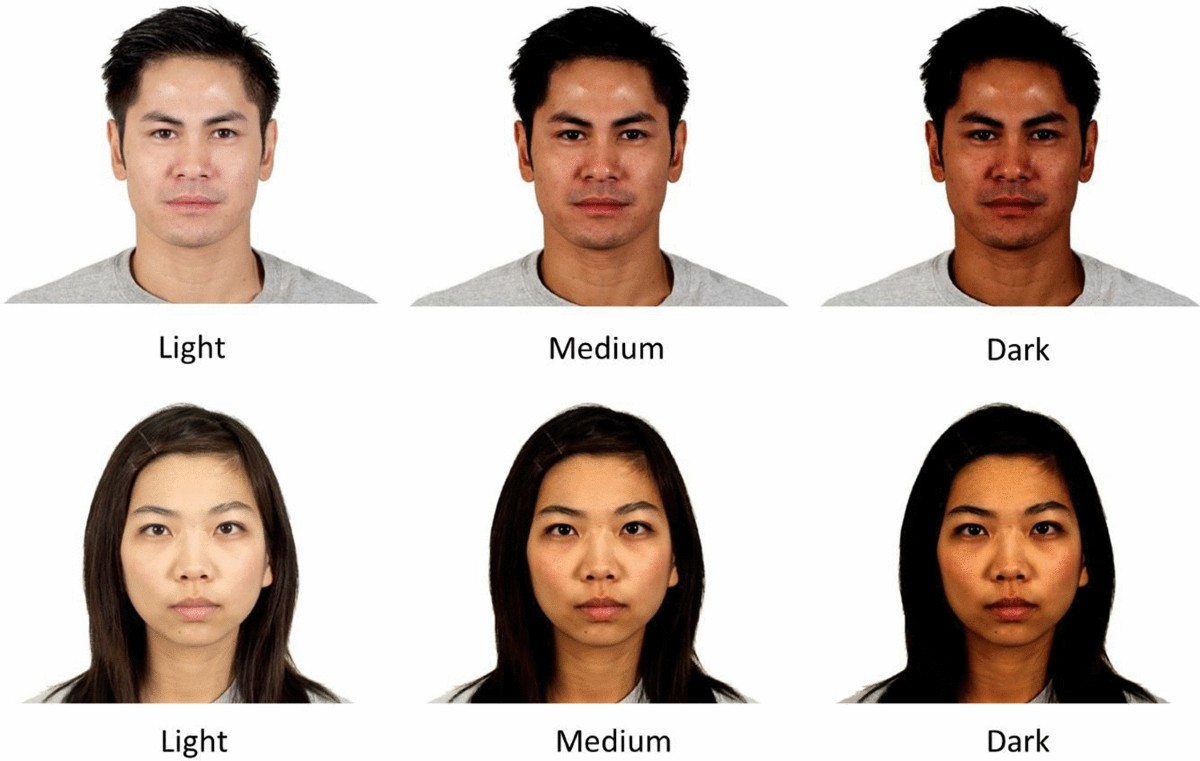
Patients in Malaysia often fall into the III–V category (light brown to olive/dark brown). This skin type tans easily but is also prone to scarring and darkening after any injury—including “hot” laser treatments.
Risk of Hyperpigmentation and Hypopigmentation
While Pico is much safer, it’s not risk-free. If settings are too aggressive, you could face:
PIH (Post-Inflammatory Hyperpigmentation): Darkening of the area.
Hypopigmentation: White spots where the pigment-producing cells were over-damaged.
Pre- and Post-Treatment Care for Asian Skin Types
To minimize risks, many Malaysian doctors recommend “priming” the skin with brightening topicals before the session and strictly avoiding sun exposure for at least two weeks before and after.
Types of Pico Laser Technologies
PicoSecond Lasers (e.g., PicoSure, PicoWay)
There are several “flavors” of Pico lasers in Malaysia. PicoSure (755nm) is a legend for brightening and texture, while PicoWay (1064nm) is often the preferred choice for treating darker skin tones because its wavelength penetrates deeper with even less surface heat.
Wavelength Differences and Treatment Suitability for Asian Skin
1064nm: The workhorse for Fitzpatrick IV–V skin. Great for deep pigment and tattoos.
532nm: Used for superficial spots like freckles, but must be used very cautiously on Asian skin.
Clinic Selection and Provider Expertise in Malaysia
Choosing a Qualified Dermatologist or Aesthetic Practitioner
In Malaysia, always ensure your doctor holds an LCP (Letter of Credentialing and Privileging). This is a certification from the Ministry of Health that proves they are legally allowed to perform aesthetic procedures.
What to Ask During Your Consultation
Which specific Pico machine do you use?
Have you treated Fitzpatrick Type IV/V skin before?
What is the protocol if I develop PIH?
Cost Expectations in Malaysia
In 2026, prices for a quality Pico Laser session in KL or Selangor typically range from RM500 to RM1,200 per session. Be wary of “RM199” deals—these are often low-powered, non-medical grade machines that won’t give you clinical results.
Preparation and Aftercare for Optimal Results
Skin Preparation Tips
Stop using Retinol, AHAs, or BHAs at least 5 days before your appointment. Hydrated skin heals faster, so drink plenty of water and use a good moisturizer.
Healing Timeline and Maintenance
Day 1-2: Expect mild redness, similar to a light sunburn.
Day 3-7: Pigment spots may darken slightly before flaking off.
Maintenance: Most people benefit from a session every 4–8 weeks depending on the concern.
Recommended Skincare Products for Asian Skin
Post-treatment, stick to a “gentle” routine. Think ceramides, hyaluronic acid, and broad-spectrum SPF 50+. Avoid physical scrubs for at least a week.
Comparing Pico Laser with Other Laser Treatments
Pico vs. Q-Switched Lasers
Q-Switched is the “older brother.” It’s cheaper but uses more heat. Pico is faster, safer for darker skin, and usually requires half the number of sessions to see the same result.
Pico vs. Fractional Lasers
Fractional lasers (like CO2) are powerful for deep scars but often involve 5–7 days of “scabbing” downtime. Pico offers similar texture benefits with almost zero downtime, making it better for the busy Malaysian lifestyle.
Frequently Asked Questions (FAQs)
Is Pico Laser Painful for Asian Skin? Most patients describe it as a rubber band snapping. Numbing cream is usually applied 30 minutes before, making it very tolerable.
How Many Sessions Are Needed? For a “glow,” 1-3 sessions. For deep acne scars or melasma, you may need 5-10 sessions for the best outcome.
Is There Downtime After Treatment? Very little! You might be pink for a few hours, but most people can head back to work the next day with a little concealer.
Conclusion: Is Pico Laser Right for Your Asian Skin (Fitzpatrick III–V)?
If you’re struggling with sun damage, acne scars, or a dull complexion, Pico Laser is arguably the most efficient and safest tool currently available in Malaysia. Because it respects the delicate nature of melanin-rich skin, you can achieve clinical results without the fear of making your pigmentation worse.
Always consult with a registered medical professional to ensure the settings are tailored specifically to your unique skin profile.
