


Deciding between a Pico Laser and a Fractional CO2 Laser can feel like picking between two superheroes—they both want to save your skin, but they use completely different powers. In Malaysia, where sun-induced pigmentation and acne scars are our biggest skin battles, knowing which tool to use is the key to getting that “filter-free” glow.
Overview of Pico Laser and Fractional CO2 Laser
What Is Pico Laser Technology?
Pico Laser is the “speedster” of the laser world. It operates in picoseconds (trillionths of a second), delivering ultra-fast bursts of energy that target issues without cooking the surrounding skin. It’s primarily famous for shattering pigment and gentle rejuvenation.
What Is Fractional CO2 Laser Technology?
Fractional CO2 is the “architect.” It is an ablative laser, meaning it removes thin layers of skin in a pixelated pattern (hence “fractional”). This forces the skin to literally rebuild itself from the ground up, making it a heavyweight champion for texture and deep scars.
Core Technology Differences
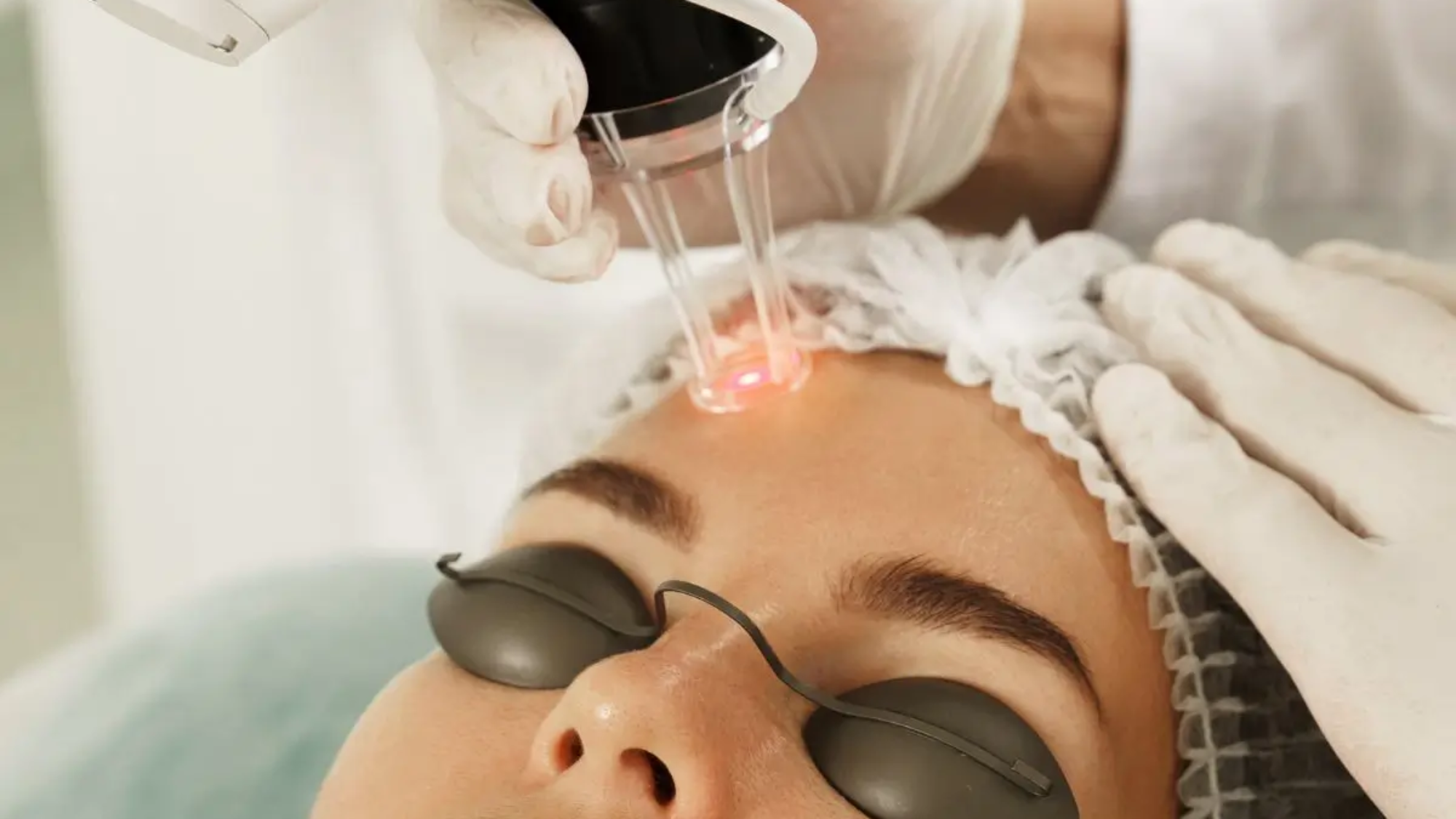
Picosecond Photoacoustic Mechanism (Pico Laser)
Pico technology relies on the photoacoustic effect. It uses pressure waves rather than heat to break things apart. Imagine a jackhammer turning a brick into dust without making the brick hot.
Thermal Ablative Mechanism (Fractional CO2 Laser)
Fractional CO2 uses the photothermal effect. It targets the water in your skin cells to vaporize microscopic columns of tissue. This heat is intentional—it’s the “controlled injury” that triggers a massive healing response.
Energy Delivery and Pulse Duration Comparison
While Pico measures energy in trillionths of a second, CO2 lasers operate in milliseconds or microseconds. That “extra” time in the skin allows CO2 to generate the heat needed for deep resurfacing, whereas Pico’s speed keeps things cool.
How Each Laser Interacts With Skin
Non-Thermal Pigment Shattering (Pico Laser)
Because Pico doesn’t rely on heat, it’s like a sniper for melanin. It hits the pigment so fast it shatters into “dust” that your body’s immune system naturally flushes away.
Controlled Thermal Skin Ablation (Fractional CO2)
CO2 doesn’t just “shatter”; it “evaporates.” It creates thousands of tiny, deep holes in your skin. The healthy skin between these holes helps the treated areas heal faster, leading to a completely new surface layer.
Depth of Penetration and Tissue Impact
According to the American Society for Laser Medicine & Surgery (ASLMS), ablative lasers like CO2 reach deeper into the dermis for structural changes, while non-ablative lasers like Pico focus on pigment and upper-level collagen.
Skin Concerns Each Laser Is Designed to Treat
Pigmentation and Skin Tone Issues
Winner: Pico Laser. It is the gold standard for sunspots, freckles, and melasma because it avoids the heat that can sometimes make pigmentation worse in Asian skin.
Acne Scars and Textural Irregularities
Winner: Fractional CO2. For deep “pitted” or “boxcar” scars, the aggressive resurfacing of CO2 is much more effective than Pico at smoothing out the “craters.”
Wrinkles and Skin Laxity
Winner: Fractional CO2. The intense heat causes immediate collagen contraction, which provides a tightening effect that Pico can’t quite match for mature skin.
Collagen Stimulation Mechanism Compared
Laser-Induced Optical Breakdown (Pico Laser)
Pico creates tiny bubbles under the skin (LIOB) without breaking the surface. This triggers a “signal” for collagen growth with almost no visible damage.
Thermal Wound Healing Response (Fractional CO2)
CO2 triggers a “real” wound healing response. Your body sees the vaporized columns and rushes to produce type-I collagen to fill them in.
Quality and Speed of Collagen Remodeling
CO2 results are often more “dramatic” after one session, while Pico results are “progressive” and build up over several months.
Downtime and Skin Recovery Process
Pico Laser Healing Timeline
Day 1: Mild redness (like a light sunburn).
Day 2: Usually back to normal.
Verdict: Zero to minimal social downtime.
Fractional CO2 Laser Downtime and Peeling Phases
Day 1–3: Redness, swelling, and “grid-like” marks.
Day 4–7: Intensive peeling and scabbing.
Day 10+: Fresh, pink skin emerges.
Verdict: 5–7 days of “hibernation” needed.
Impact on Daily Activities
With Pico, you can go to work the next day. With CO2, you’ll want to clear your social calendar for at least a week to avoid the “peeling” phase in public.
Pain Level and Treatment Experience
Sensation During Pico Laser Treatment
Feels like tiny rubber bands snapping against the skin. Most people in Malaysia find it very tolerable, even without numbing cream.
Sensation During Fractional CO2 Laser Treatment
This one is “spicy.” Even with a thick layer of numbing cream, you’ll feel a hot, stinging sensation. Post-treatment, your face will feel like it has a heavy sunburn for a few hours.
Anesthesia and Cooling Requirements
CO2 always requires numbing cream and often uses a “Zimmer” (cold air blower) during the procedure. Pico is much more low-maintenance.
Safety Profile and Risk Factors
Heat-Related Risks and PIH Potential
In 2026, clinical data from PubMed continues to show that heat is the enemy of Asian skin. Excessive heat from CO2 can trigger Post-Inflammatory Hyperpigmentation (PIH)—leaving dark marks where the laser was.
Suitability for Asian and Darker Skin Types
Pico is significantly safer for Fitzpatrick skin types IV and V (common in Malaysia). CO2 can be used safely, but it requires a very experienced doctor to adjust the settings to avoid burns or darkening.
Treatment Intensity and Session Requirements
Number of Sessions Needed for Pico Laser
Usually 3 to 5 sessions are needed for significant pigment or glow results.
Single vs Multiple Sessions for Fractional CO2
One CO2 session can often achieve the same texture improvement as three Pico sessions. It’s “high risk, high reward.”
Gradual vs Aggressive Results
Pico is a marathon; CO2 is a sprint.
Long-Term Results and Maintenance
Progressive Skin Improvement With Pico Laser
Your skin continues to brighten and refine for weeks after a Pico session. It’s great for long-term “maintenance.”
Dramatic Resurfacing Results With Fractional CO2
Once the peeling stops, the “new skin” is visibly smoother. These results for acne scars are generally permanent.
Maintenance Treatment Considerations
Many Malaysian patients choose one CO2 session for deep repair, followed by quarterly Pico sessions to keep the skin bright and clear.
Key Differences Summary: Pico Laser vs Fractional CO2 Laser
| Feature | Pico Laser | Fractional CO2 Laser |
| Primary Goal | Pigment & Glow | Scars & Texture |
| Downtime | 12–24 hours | 5–10 days |
| Pain Level | Low | High |
| Safe for Asian Skin? | Very Safe | High Risk (Requires Expertise) |
| Effect | Shatters Pigment | Vaporizes Skin |
